RSI is a Great Training Option for Everyone
Learn more about how we can prepare you to advance your career.
Most trade school brochures look the same. The photos show students in hard hats, the copy promises hands-on training, and the websites list career outcomes without much to back them up. What no brochure tells you is what happens between enrollment and your first day on the job, and that gap is where programs actually differ.
The questions that separate a strong program from a weak one are specific:
- How much of the training happens in a live lab?
- Do instructors have real field experience?
- What does the school do after graduation to help students find work?
The answers to those questions reveal more about a program than any headline claim.
How Do I Pick a Refrigeration Program That Is Good at Getting Graduates Jobs?
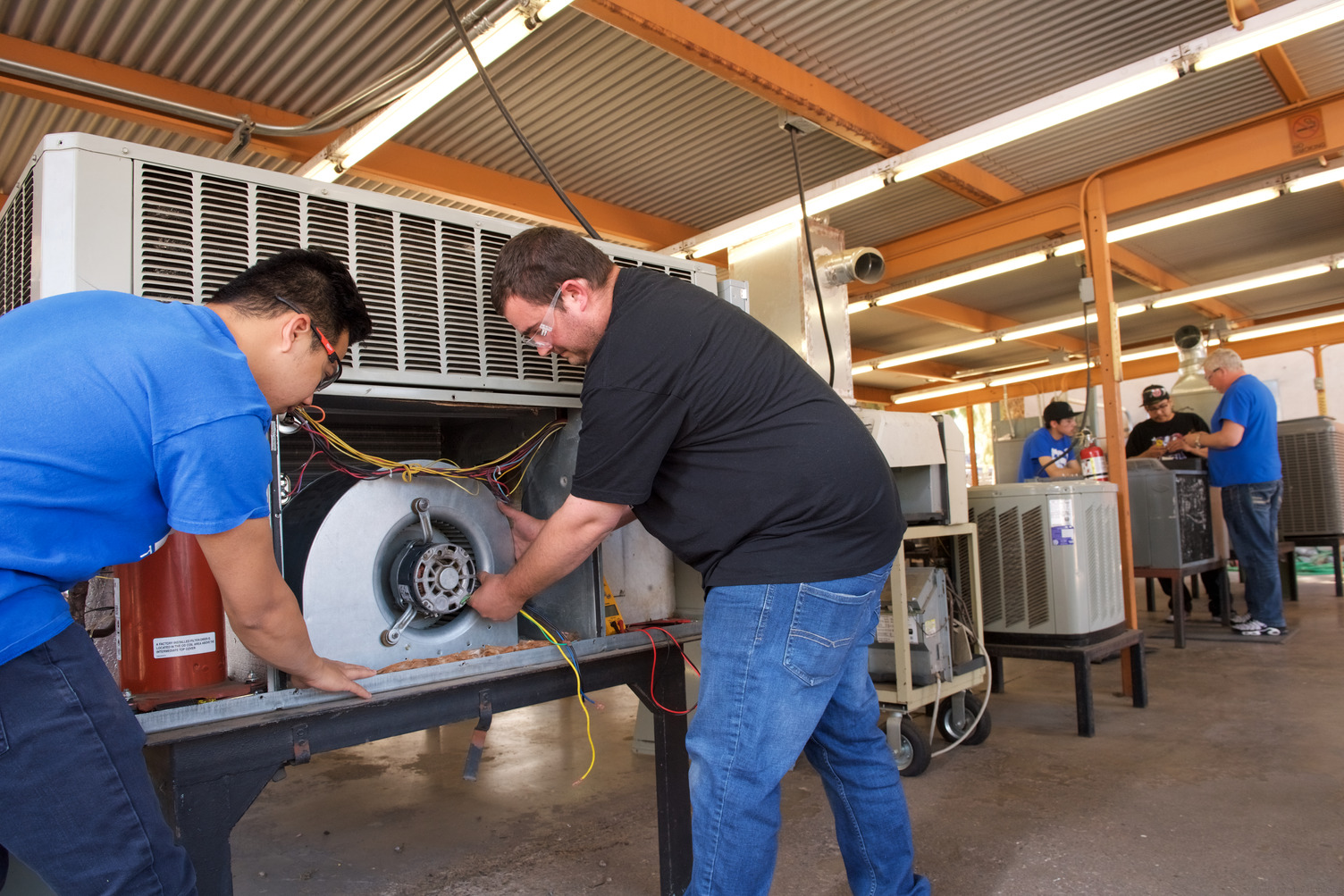
HVAC/R work is hands-on by nature, and a program that spends most of its hours in a classroom produces graduates who understand how systems work in theory but freeze up in front of real equipment. Ask any program you’re considering what percentage of training hours are spent in a live lab setting versus seated instruction.
A program that can’t answer that question clearly is telling you something.
Get Started on the Path to a New Career
Fill out our form to learn how we can help you change your life.
Beyond lab hours, look at how the curriculum handles troubleshooting. Any school can teach a student to install a component following a diagram. Fewer teach them to diagnose why a system is failing.
The Refrigeration School (RSI) uses the proprietary E-STAR and M-STAR systems to give students structured, repeatable practice diagnosing problems on live HVAC/R equipment, the kind of skill employers actually hire for.
Before committing to any refrigeration program, bring these questions to an admissions representative and ask for specific answers, not generalities:
- Does the program have institutional accreditation? Accreditation confirms a school meets externally verified educational standards and determines whether you can access federal financial aid.
- What employer relationships does the school maintain? A curriculum built with industry feedback teaches to what the job requires, not just what looks good on a course outline.
- Does career support end at graduation, or does the school actively help graduates through the job search?
- How long is the program, and when are graduates typically ready to apply for entry-level roles?
No program worth your time and money will struggle to answer any of those directly.
How Do I Pick an Electrician School in Phoenix That Is Actually Good at Getting Graduates Hired?
A credential alone does not get anyone hired.
Employers looking for entry-level electricians want graduates who can work alongside journeymen without constant supervision, and that readiness only develops through repetition on real equipment.
When you meet with an admissions representative at any electrician school in Phoenix, ask these questions directly:
| Question | What the Answer Tells You |
|---|---|
| How much instruction is hands-on? | Whether students build real skills or absorb theory |
| What equipment do students train on? | Whether lab conditions reflect actual job sites |
| What are the instructors’ backgrounds? | Whether teaching comes from field experience or academia |
| What schedule options are available? | Whether the program fits people with real obligations |
| What does career support look like post-graduation? | Whether the school helps or hands you a diploma and waves goodbye |
RSI’s Electrical Technologies program covers a range of skills students will encounter on actual job sites:
- Mechanical and electrical principles
- Residential and commercial wiring
- Voice, video, and data cabling systems
- Motors, lighting, devices, and transformers
Instruction comes from faculty with industry backgrounds, and the program runs seven months. Morning, afternoon, evening, and weekend schedule options mean the program is built for students finishing high school, working full-time, or managing other responsibilities, not just those who can drop everything to train.
How Do I Find a Welding School That Is Serious About Helping Students Get Jobs?
Career support is where trade school marketing gets vague. Schools say they help graduates find work. Fewer can tell you how. Before enrolling in any welding program, ask an admissions representative these questions directly and expect concrete answers:
- Is there a dedicated career services team, or is one staff member handling multiple roles on the side?
- Does the school have active relationships with employers who are currently hiring welding graduates?
- Can they connect you with graduates who found work after completing the program?
Knowing what a low-effort program looks like versus a serious one makes those conversations easier:
| Red Flags | Green Flags |
|---|---|
| Vague placement claims with no specifics | Named employer relationships and active hiring connections |
| No dedicated career services staff | Staff focused specifically on graduate placement |
| Instructors who left the trade years ago | Faculty with current or recent industry experience |
| No flexible scheduling options | Day, evening, and weekend classes available |
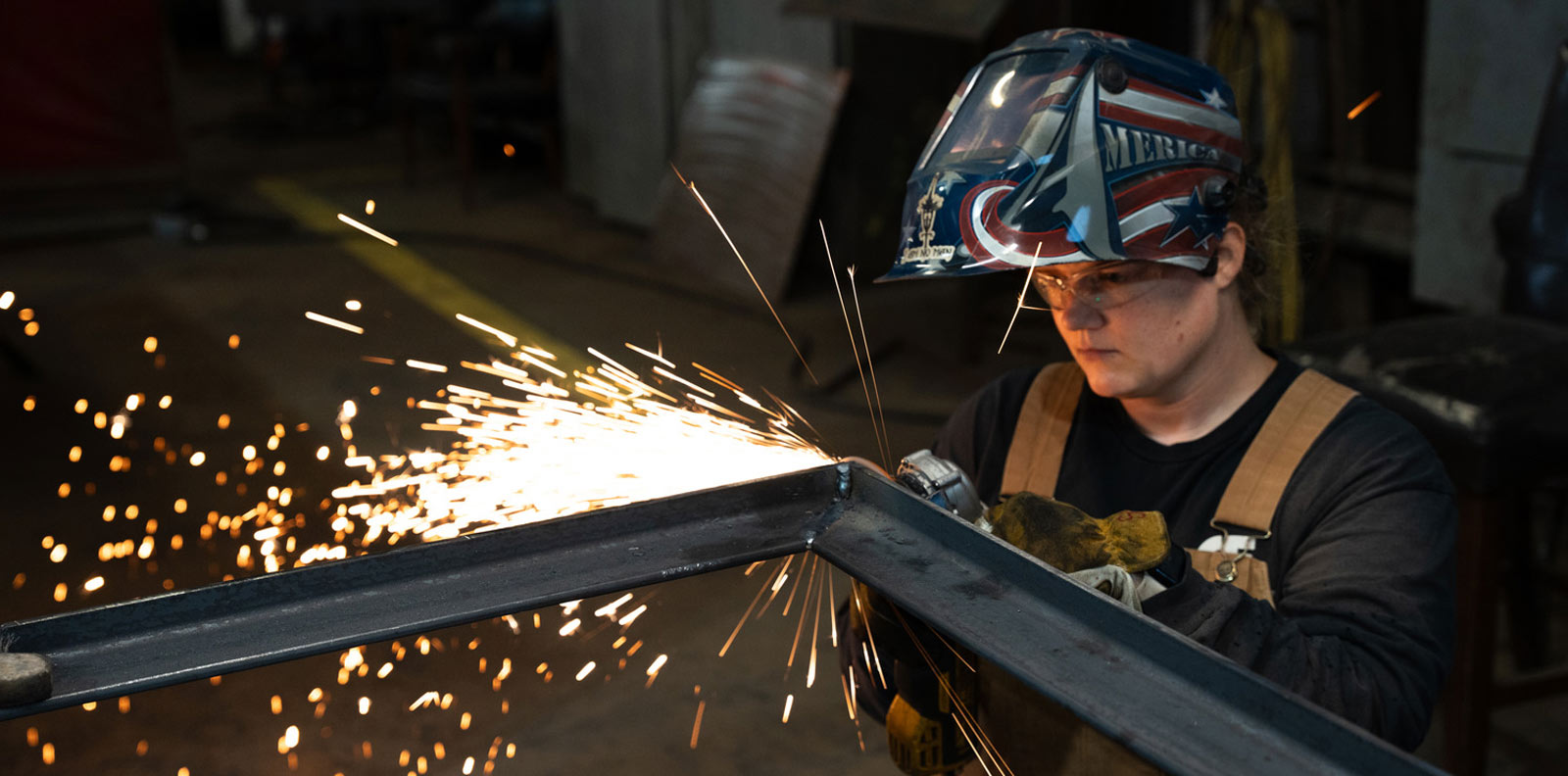
RSI’s Welding Specialist program trains students in the four core welding processes with the widest industry applications:
- Shielded metal arc welding (SMAW)
- Gas metal arc welding (GMAW)
- Flux-cored arc welding (FCAW)
- Gas tungsten arc welding (GTAW)
Career services support extends past graduation, and for students who cannot leave a current job to train full-time, RSI offers night and weekend welding classes, a scheduling option that narrows the field considerably when comparing programs.
How Does RSI’s Refrigeration Program Compare to Other Trade Schools in Phoenix for Getting a Job?
RSI has been training students since 1965. That history matters for specific reasons:
- Decades of employer relationships built on a track record that newer programs have not had time to develop
- A curriculum shaped by ongoing industry feedback, not a static course outline written years ago
- Graduates who have gone through the program and can speak to the experience firsthand
Where many trade schools teach to a broad certification, RSI’s HVAC/Refrigeration Technologies program focuses on the diagnostic, mechanical, and systems knowledge that prepares graduates for real HVAC/R roles. In HVAC/R specifically, the EPA requires technicians who service equipment that could release refrigerants to hold Section 608 certification.
RSI’s program is structured to prepare students for that credential, so graduates are not starting from scratch after they leave. RSI holds institutional accreditation through the Accrediting Commission of Career Schools and Colleges (ACCSC). That accreditation means students are eligible for federal financial aid that unaccredited programs cannot access, and that the program meets standards set by an outside body, not just RSI’s own claims about itself.
What Other Factors Should I Check Before Committing to Any Trade Program?
Program quality is the main variable, but a few structural factors determine whether you can get through the program and into work on the other side.
Accreditation and Financial Aid
An unaccredited program can cost as much as an accredited one but cuts students off from federal grants and loans. Before enrolling anywhere, confirm the school’s accreditation status and ask the financial aid team specifically what you qualify for, not just what options exist in general.
Program Length
Shorter programs mean less time out of the workforce and a faster path to a first paycheck. RSI offers programs ranging from 7 to 15 months, so students can find a track that fits their goals without a multi-year commitment. Ask any program you’re considering when graduates are typically ready to apply for entry-level roles, not just when the last class ends.
Schedule Flexibility
A program that only offers one schedule track excludes working adults, high school students with afternoon commitments, and anyone managing family obligations. RSI offers morning, afternoon, evening, and weekend options across programs. A school’s willingness to offer flexible scheduling is a reasonable signal of whether it’s actually built around students’ lives or just enrollment numbers.
Instructor Backgrounds
Field experience shapes what gets taught and which details actually matter on a job site.
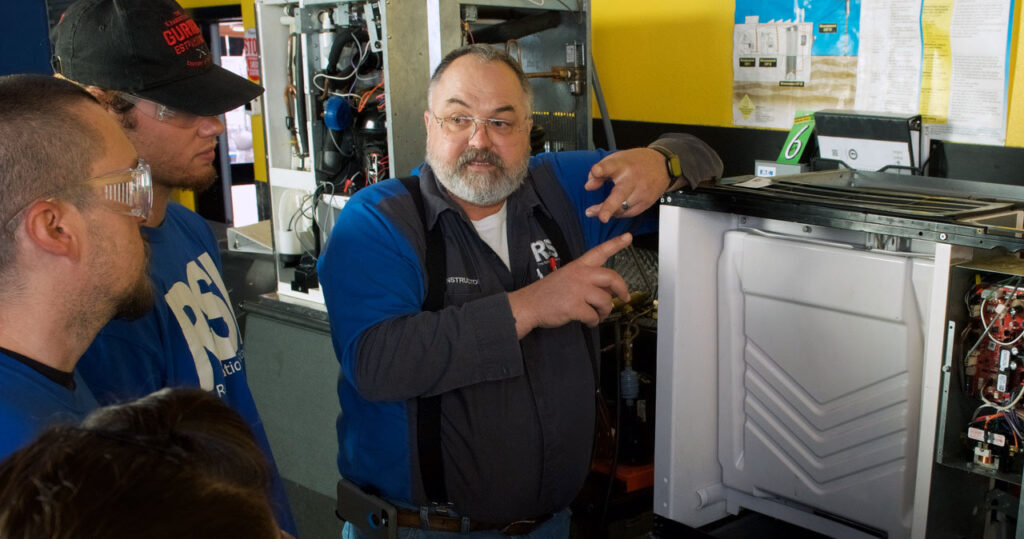
Ask any school you’re evaluating where their instructors worked before they started teaching. An HVAC/R instructor who spent years diagnosing systems in the field teaches differently than one whose career has been in education. The same applies to welding and electrical.
RSI’s faculty bring industry experience into the classroom, which means the training reflects how the work actually gets done.
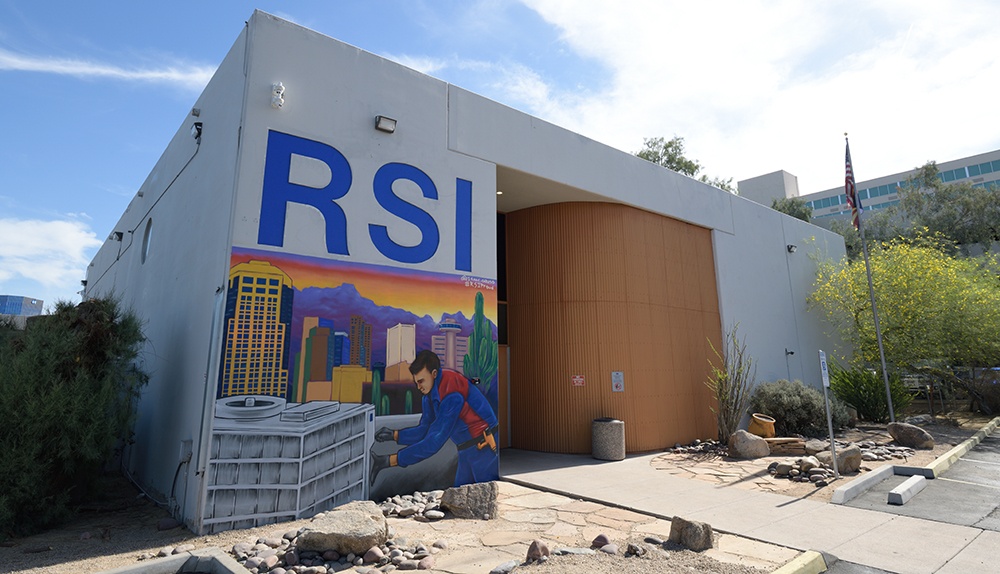
If you’re weighing your options and want to see what the program looks like in person, schedule a tour of RSI’s Phoenix campus or request more information to talk through which program fits your goals.