TWS is a Great Training Option for Everyone
Learn more about how we can prepare you to advance your career.
Career goals tend to become clearer with age, and by 30, many people are looking for stability paired with real room for long-term growth.
That shift in mindset may help explain why adult learners now make up a significant share of today’s classrooms. According to the American Association of Community Colleges, 35% of postsecondary enrollees are between 22 and 39, with the average student age at 27.
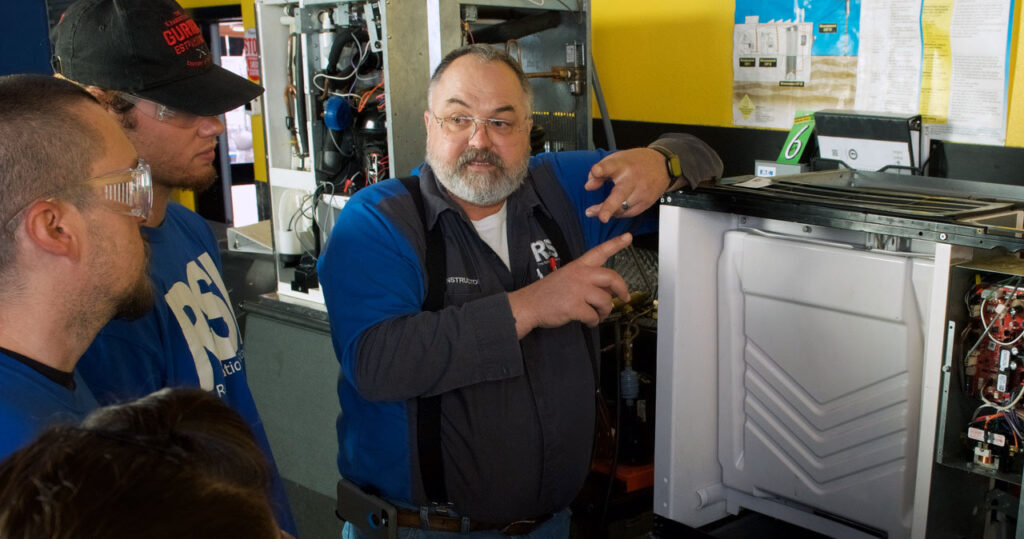
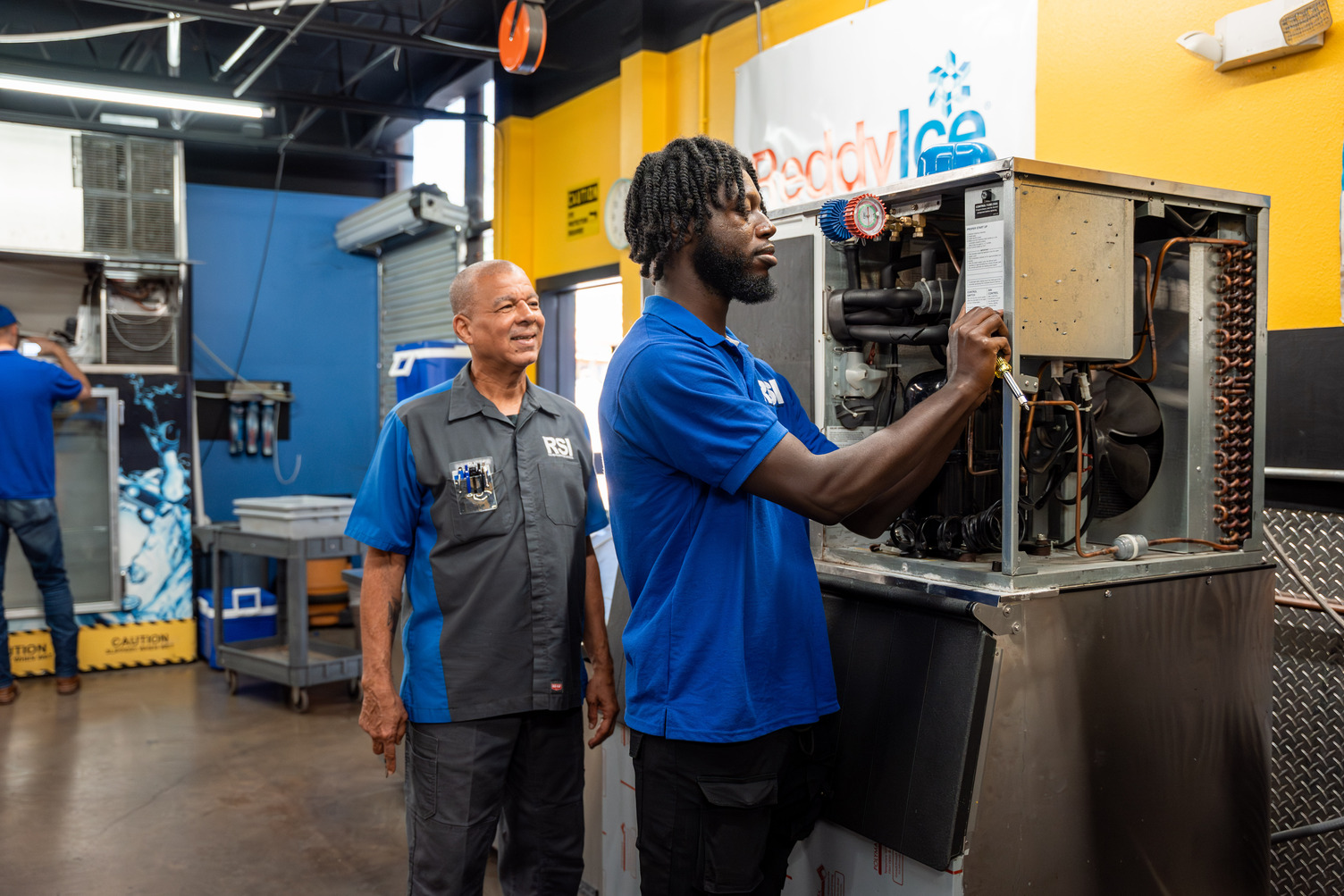
Skilled trades training aligns well with this stage of life. Programs are built around practical skills, hands-on learning, and schedules that acknowledge real responsibilities outside the classroom. With support services available from the start, trade schools can help adults turn clarity and motivation into a concrete next step rather than an open-ended reset.
Why People Go Back to School Later
Many adults reach a point where their current job no longer feels sustainable. Income growth may have stalled, physical demands may be increasing, or advancement opportunities may feel limited despite years of effort. Over time, those pressures can turn quiet dissatisfaction into a clear need for change.
Others recognize they have reached a professional ceiling without additional training or credentials. At that point, returning to school becomes less about starting over and more about unlocking access to better opportunities. The decision often feels practical rather than risky because it is tied to specific outcomes.
Get Started on the Path to a New Career
Fill out our form to learn how we can help you change your life.
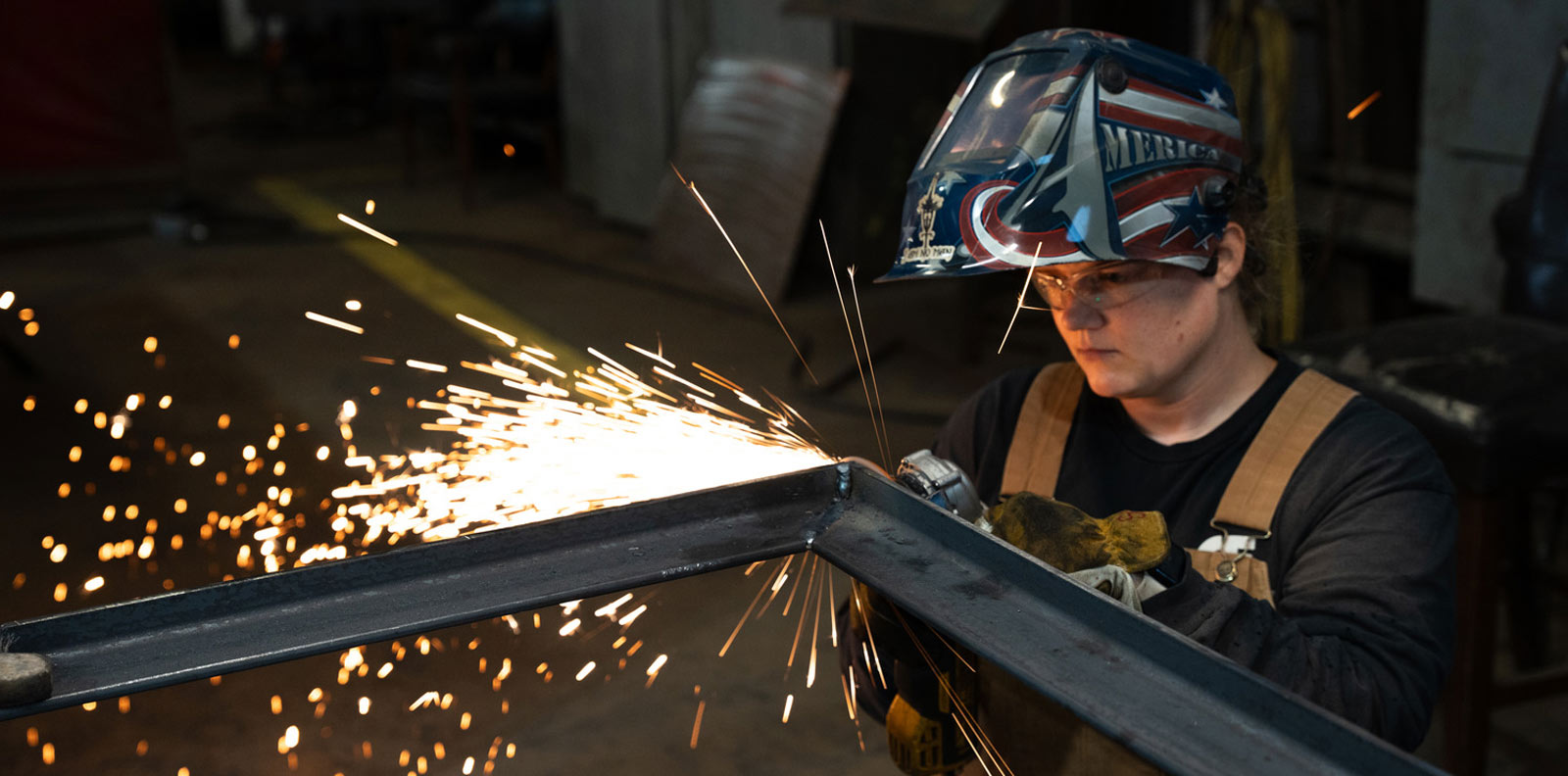
Hands-on work can also become more appealing after time spent in roles that feel abstract or disconnected from visible results. Producing something tangible, solving real problems, and seeing the impact of daily work can bring a sense of purpose that many adults find motivating.
By this stage of life, education decisions are usually driven by perspective instead of pressure. Experience helps clarify what matters, which makes commitment easier and follow-through stronger.
What Trade School Looks Like for Adult Learners
Adult learners often juggle full-time work, parenting schedules, school events, extracurricular activities, caregiving responsibilities, and household logistics. Each obligation competes for limited time and energy, which makes flexibility essential.
The Refrigeration School, Inc. (RSI) offers trade school programs that offer day, night, and weekend scheduling to help adults continue earning income while building new skills instead of forcing an all-or-nothing choice. That structure allows training to fit into real life rather than requiring life to pause.
While all students must manage their own time, adult learners typically face more competing demands outside the classroom. As a result, organization and planning play a larger role in overall success.
Program Flexibility Matters for Adult Learners
Adults returning to school often prioritize programs that fit around existing responsibilities. Training that requires stepping away from work or family life entirely can create unnecessary strain.
Skilled trade programs may offer flexible class options, including day, night, or weekend schedules, which makes training more realistic for adult learners balancing multiple commitments.
Electrician training, for example, is designed to accommodate working adults while delivering focused, hands-on instruction. In about seven months, students can prepare for entry into an electrical career without stepping away from existing responsibilities.
For those researching electrician courses for adults, scheduling flexibility is often just as important as curriculum. A program that aligns with real life is more likely to be completed successfully.
Electrical careers are projected to remain in demand, offering strong job prospects and long-term growth opportunities for those entering the field later in life.
Reviewing program formats and scheduling options early helps adults choose a path that remains sustainable over time, not just manageable at the start.
How Admissions Works for Adult Students
Returning to school after time away can feel overwhelming, especially when work, family, and financial responsibilities overlap. Clear guidance helps reduce uncertainty and makes the process feel more manageable.
Support during the admissions process ensures adults understand requirements, timelines, schedule options, and expectations from the very first conversation. This ensures the program and adult’s goals are aligned before moving forward with enrollment.
Speaking with an admissions team early can also clarify program structure, scheduling options, and workload expectations before decisions are finalized. That clarity allows adults to plan realistically rather than make assumptions.
Once a program and schedule are identified, the focus often shifts toward understanding cost and planning for how training will be financed.
How Adult Learners Can Pay for Trade School
Regardless of age, affordability is often a deciding factor.
Working with the RSI’s Financial Aid team helps applicants understand their financial options early to help prevent surprises and supports confident decision-making. Financial aid may include a combination of loans, grants, and other resources depending on eligibility and program choice.
- Scholarships are basically free money that can reduce out-of-pocket costs without needing to be repaid later. They’re and are worth exploring early, particularly for adults returning to school after time in the workforce
- Grants may also be available and can lower overall cost without repayment, which can be especially meaningful for adults supporting families.
- Military students may qualify for additional benefits that make training more accessible
These payment options may be combined with federal loans to cover the cost of a training program. Reviewing funding options with an advisor helps clarify what is realistic before committing to a program.
What Happens After Training
Those that may be changing careers often want reassurance that training leads to real employment opportunities. Support beyond the classroom plays an important role in that transition.
RSI’s Career Services team can help graduates with resume development, interview preparation, and job-search readiness so skills are presented clearly and confidently. Many trade schools maintain relationships with local employers, which can help connect graduates with companies actively hiring in their area.
Schools may host job fairs, employer visits, and networking events that create opportunities for students and graduates to meet employers face-to-face and learn about open roles.
Because hiring needs vary by region and program, graduates benefit from working directly with Career Services for guidance tailored to their situation.
Taking the First Step Without Starting Over
Returning to school later in life is not about rewinding. It is about building on experience with greater intention and clarity.
Skilled trades emphasize capability, consistency, and real-world skill rather than perfect timing or linear career paths.
For adults weighing their options, a conversation is often the most useful next step because it brings clarity around programs, schedules, and available support.
Speaking with an admissions advisor can help determine whether a program fits personal goals, timelines, and responsibilities before committing.