RSI is a Great Training Option for Everyone
Learn more about how we can prepare you to advance your career.
When most people think about a career in HVAC, they likely picture tools, equipment, and hands-on work. While technical skills are necessary, there’s another skill that often separates good technicians from great ones: clear communication.
HVAC technicians regularly work with complex systems that most customers don’t fully understand. Compressors, refrigerant levels, airflow restrictions, and electrical components can all sound intimidating to someone without technical training. Being able to explain HVAC problems in a way customers can understand helps reduce stress, builds trust, and creates a more professional service experience.
Clear communication isn’t about “dumbing things down,” however. It’s about meeting customers where they are and helping them understand what’s happening with their HVAC system.
Why Communication Matters in HVAC
HVAC system issues are often stressful for customers. A broken air conditioner during the summer or a failing heater in the winter can disrupt daily routines, create discomfort, and raise concerns about unexpected repair costs. In these situations, customers are already on edge before the technician even arrives.
When explanations are rushed or filled with technical jargon, customers may feel confused or unsure about what they’re being told. This can lead to frustration, hesitation or mistrust, even if the repair itself is handled correctly.
Get Started on the Path to a New Career
Fill out our form to learn how we can help you change your life.
Clear HVAC customer service helps inform how customers feel about the technician and the company. According to customer service research from HubSpot, 88% of customers say good customer service makes them more likely to do business with a company again, while 73% say they would leave a company after just one bad experience.
For HVAC technicians, this highlights an important reality: how a problem is explained can shape the entire service experience.
Break Down HVAC Problems Into Simple Language
One of the most effective ways to communicate HVAC problems is to avoid technical jargon whenever possible. While technical terms are useful among trained professionals, they can create confusion for customers who are unfamiliar with HVAC systems.
For example:
Instead of saying, “Your evaporator coil is frozen due to restricted airflow,” a technician could say, “Air isn’t moving through the system the way it should, which causes ice to build up and stop it from working properly.”
The meaning stays the same, but the explanation is easier to follow. Clear language helps customers understand the issue without feeling overwhelmed or embarrassed to ask questions.
Taking a moment to check for understanding—such as asking, “Does that make sense?”—can also improve communication and show respect for the customer.
Use Visuals and Real-World Comparisons
Visual explanations can make HVAC system issues much easier to understand. Many customers learn better by seeing rather than just hearing.
Simple visual tools include:
- Showing a clogged or dirty air filter
- Pointing out worn components inside the unit
- Using photos to show damaged parts
- Drawing a quick diagram to explain airflow or system operation
Real-world comparisons also help bridge the gap between technical concepts and everyday experiences. For example:
- A clogged air filter can be compared to trying to breathe through a blocked mask.
- Low refrigerant can be explained like a car running low on oil—it may still run, but not efficiently or safely.
These comparisons help customers connect unfamiliar HVAC problems to situations they already understand.
Be Honest, Clear, and Respectful
Professional communication also means being transparent. Customers want straightforward answers, especially when repairs involve time, cost, or system downtime. Clear explanations help customers feel informed rather than pressured.
Technicians should be prepared to explain:
- What the problem is
- Why it happened
- What repair or replacement options are available
- What the next steps may cost and why
Being honest doesn’t mean overwhelming customers with every technical detail. It means providing enough information for them to feel confident about the decision being made. Respectful communication also includes listening carefully to customer concerns and answering questions patiently.
Adjust Communication to the Situation
Not every customer needs the same level of detail. Some may want a simple explanation, while others may ask more in-depth questions. A professional HVAC technician learns to adjust their communication style based on the customer’s needs.
This flexibility helps:
- Prevent misunderstandings
- Reduce tension during stressful service calls
- Create smoother interactions overall
Clear communication is as much about listening as it is about explaining. Paying attention to body language, tone, and follow-up questions can help technicians gauge how much detail a customer is comfortable with during a service call.
How HVAC Training Supports Communication Skills
Clear communication doesn’t happen by accident. It develops through training, practice, and real-world experience. Quality HVAC training programs help students understand not only how systems work, but how to explain those systems to others.
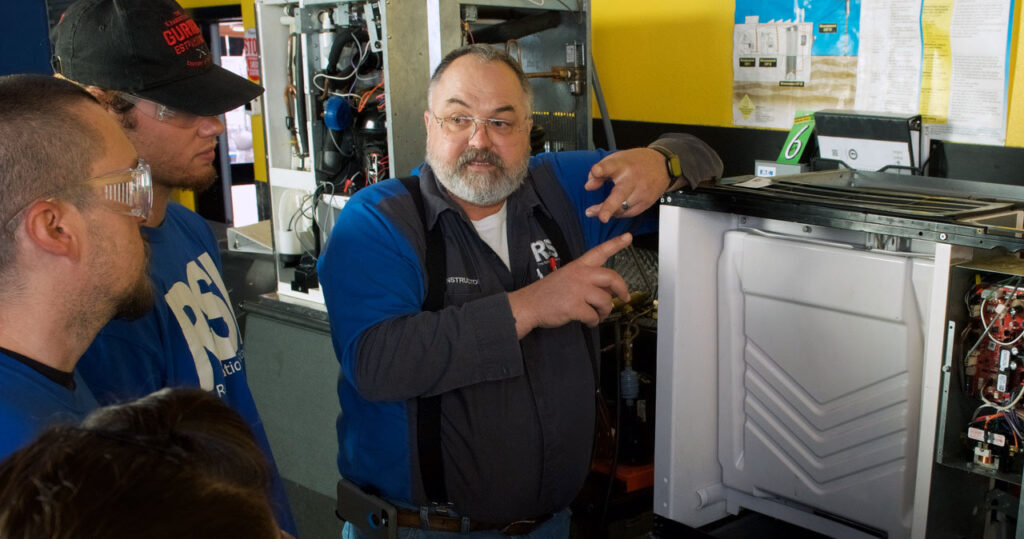
At The Refrigeration School, Inc. (RSI), students gain both technical knowledge and real-world skills that prepare them to work directly with customers. Learning HVAC troubleshooting alongside professional communication helps students feel more prepared for real service environments.
Hands-on training, instructor guidance, and practical scenarios all play a role in building confidence in technical ability and customer interaction.
Communication Is Part of Professionalism
In the HVAC industry, professionalism isn’t just about fixing equipment correctly. It’s also about how technicians interact with customers during every step of the service call. Clear explanations, respectful language, and patience help create positive experiences, even when repairs are unexpected or complex.
Technicians who focus on communication show that they value the customer’s understanding—not just the technical outcome.
Ready to Start Your HVAC Career?
If you’re interested in a hands-on career that combines technical expertise with real-world customer interaction, HVAC could be the right path for you. With the right training, you can begin developing both the technical and communication skills used in the field.
Request more information to learn how The Refrigeration School can help you get started.