RSI is a Great Training Option for Everyone
Learn more about how we can prepare you to advance your career.
You don’t need years of experience to become an electrician in Arizona if you complete an electrical training program.
With beginner-focused training, you can move from zero electrical knowledge to being prepared for entry-level, apprentice-level roles in a relatively short timeframe. Electrical apprenticeships, by contrast, are longer-term pathways that often take four to five years to complete and may require passing a math aptitude test as part of the application process.
Both training programs and apprenticeships can prepare you to become a residential electrician, but they do so in different ways and on different timelines. Understanding how these paths work helps you choose the option that best fits your goals, schedule, and learning style.
Can You Become a Residential Electrician With No Experience?
You can become a residential electrician in Arizona with no prior experience because the trade is structured to train beginners rather than require existing electrical knowledge.
Most people who enter the field start at the apprentice level, where learning, supervision, and gradual skill development are built into the role. Employers do not expect new electricians to arrive fully trained, but they do expect a willingness to learn and a basic understanding of safety and tools.
Get Started on the Path to a New Career
Fill out our form to learn how we can help you change your life.
Electrical training programs exist specifically for people who are starting from zero. These programs introduce foundational concepts before you ever step onto a job site, which can make the transition into real-world work less overwhelming. For many people asking how to become an electrician with no experience, this beginner-friendly structure is what makes the career path accessible.
What Does the Path Look Like if You’re Starting From Zero?
If you are starting with no experience, becoming a residential electrician in Arizona follows a defined progression, even though there is more than one way to begin. Each step builds on the last, allowing you to move forward as your skills and confidence grow.
That path typically includes:
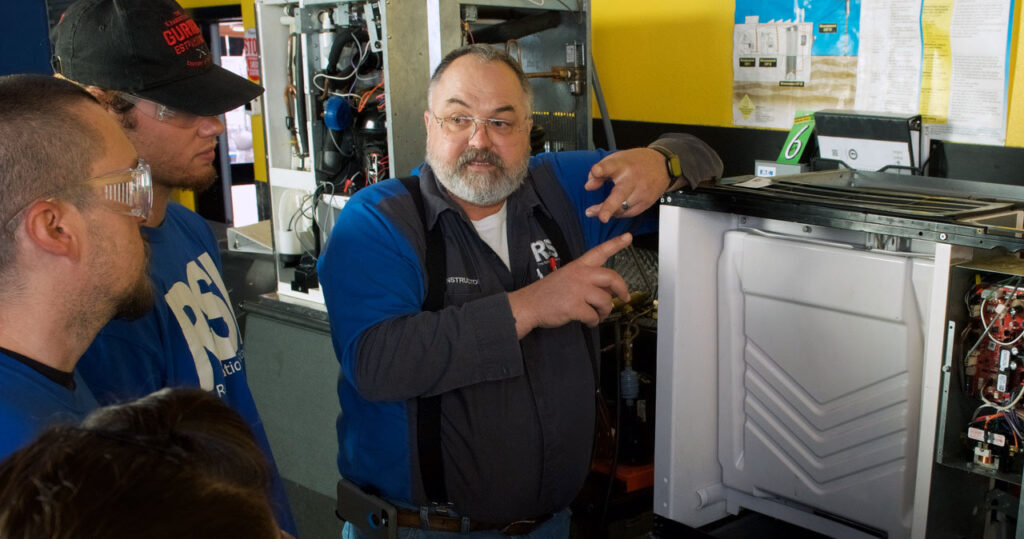
- Completing an electrical training program, like the one offered at The Refrigeration School, Inc. (RSI) in Phoenix, where you learn electrical safety, tools, residential wiring fundamentals, and gain hands-on practice in a controlled learning environment.
- Finishing an electrician apprenticeship, where you gain supervised, on-the-job experience working alongside licensed electricians.
- Meeting licensing requirements, depending on the type of electrical work you plan to perform and whether you intend to work independently.
Some people begin with an apprenticeship immediately, while others choose training first to build foundational knowledge. Both options can lead to work as a residential electrician in Arizona, but they offer different experiences early on.
Get Foundational Electrical Training
Electrical training programs focus on the basics that new electricians need before entering the field. Instruction typically covers electrical safety, proper tool use, residential wiring methods, and basic electrical theory. These topics help you understand not just how tasks are performed, but why they are done a certain way.
Hands-on practice is a necessary element of electrical training programs. Working with equipment and simulated systems allows you to apply what you learn in a structured environment. This experience can reduce the learning curve when you later work on real residential projects.
RSI’s Electrical Applications program is designed to prepare students for apprentice-level roles by teaching the fundamentals employers expect to see. For people exploring how to become an electrician with no experience, this type of training provides a clear starting point.
How Electrical Training Programs and Apprenticeships Work Together
Electrical training programs and electrician apprenticeships are not mutually exclusive. In fact, many people complete both as part of the same career path. Each option serves a different purpose, and together they can create a well-rounded foundation.
Training programs focus on building knowledge and skills before you are responsible for on-the-job performance. Apprenticeships focus on applying those skills in real residential settings while working under supervision. When combined, training can help you feel more prepared when you enter an apprenticeship, while apprenticeship experience reinforces what you learned in the classroom.
Some people move directly into an apprenticeship and learn primarily on the job. Others prefer structured education first, especially if they are changing careers or have no construction background. Both approaches are common in residential electrician Arizona career paths.
What You Do in an Apprentice-Level Residential Electrician Role
As an apprentice residential electrician, you work under the supervision of licensed electricians while learning how residential electrical systems function in real homes. The role is designed for learning, so tasks increase in complexity as your skills improve.
Typical responsibilities include:
- Assist with wiring installations in residential settings
- Install outlets, switches, and light fixtures
- Learn to read and interpret residential electrical plans
- Help troubleshoot basic electrical problems
- Organize tools and materials on the job site
- Maintain safety standards while working under supervision
This stage is where theoretical electrical knowledge turns into practical experience. Over time, consistent on-the-job learning helps prepare you for greater responsibility and long-term career growth in the electrical trade.
How Electrician Licensing Works in Arizona
In Arizona, electrician licensing requirements depend on the type of work you perform and whether you plan to work independently or operate a business. Many residential electricians work under licensed contractors rather than holding individual licenses early in their careers.
The Arizona Registrar of Contractors outlines the application process and experience requirements for electrical licenses. These requirements often include documented work experience, exams, and financial qualifications for those seeking contractor licenses.
Understanding licensing expectations early helps you plan your training and work experience strategically. Whether your goal is long-term employment or eventually running your own business, licensing plays a role in shaping that path.
What Employers Look for in New and Apprentice Electricians
When hiring new or apprentice electricians, employers focus on fundamentals rather than mastery. Basic electrical knowledge, safety awareness, and familiarity with tools are often more important than years of experience. These qualities signal that a candidate can be trained effectively.
Reliability, communication skills, and attention to detail matter in residential work because electricians interact with homeowners and work in occupied spaces. Showing up on time, following instructions, and maintaining a professional attitude can set beginners apart.
Completing electrical training programs or gaining supervised experience demonstrates commitment to the trade. For employers, this indicates that a candidate is serious about learning and contributing on the job.
What the Job Outlook Looks Like for Residential Electricians
Demand for electricians remains steady due to new construction, home renovations, and ongoing maintenance needs. Residential electricians are especially needed as older homes require updates to meet modern safety and efficiency standards.
Population growth and housing development in Arizona likely contribute to continued demand for residential electrical work. As homes incorporate new technologies and energy-efficient systems, skilled electricians remain essential.
This demand supports long-term career stability for people entering the field, particularly those who build strong foundational skills early in their careers.
Your First Move if You’re Ready to Get Started
If you are starting from zero, the first step is deciding how you want to enter the field, whether through electrical training programs, an electrician apprenticeship, or a combination of both. Each option offers a different learning experience and timeline.
Exploring training programs can help you determine whether structured education fits your learning style and career goals. Apprenticeships offer immediate job site exposure, while training provides a controlled environment to build confidence first.
When you are ready to take the next step, contact RSI today.