RSI is a Great Training Option for Everyone
Learn more about how we can prepare you to advance your career.
Commercial HVAC demand in Arizona is being driven by long-term structural forces rather than short-term market trends, including extreme heat, population growth, and ongoing commercial and industrial development.
Phoenix’s hot climate leads to intensive use of cooling systems year-round, especially in commercial spaces where occupant comfort and equipment cooling are critical, reinforcing the need for reliable, large-scale commercial HVAC systems and skilled technicians to maintain them.
Nationwide, employment for heating, air conditioning, and refrigeration mechanics is projected to grow 8% between 2024 and 2034, pointing to durable, long-term demand for the trade rather than temporary labor shortages. When combined with Arizona’s climate and growth patterns, these trends help explain why commercial HVAC continues to expand across the state, particularly in fast-growing metro areas like Phoenix.
Why Commercial HVAC Demand Is Rising in Arizona
Commercial HVAC systems serve non-residential buildings such as offices, retail centers, warehouses, healthcare facilities, and industrial or logistics spaces rather than individual homes.
These buildings depend on commercial HVAC systems to support large numbers of occupants, protect equipment, and maintain safe indoor conditions at scale.
Get Started on the Path to a New Career
Fill out our form to learn how we can help you change your life.
Unlike residential systems that serve a single household, commercial systems must regulate temperature, airflow, and humidity across large square footage and multiple zones. Offices require consistent comfort throughout the workday, while retail spaces depend on stable indoor conditions during peak traffic hours. Warehouses and logistics facilities rely on HVAC systems to protect inventory and support worker safety.
As Arizona’s population and economy continue to grow, the number, size, and complexity of these buildings increases. Each new facility requires purpose-built commercial HVAC systems designed for continuous operation in extreme heat. That expansion directly increases demand for commercial HVAC companies in Phoenix that install, maintain, and service this equipment over the long term.
How Arizona’s Climate Creates Constant Demand for Commercial HVAC
Arizona’s prolonged summer heat places continuous strain on cooling systems, especially in large commercial buildings that operate for long hours or around the clock.
Commercial HVAC systems run longer and harder than residential systems, which accelerates wear on compressors, motors, and electrical components. As systems age under heavy use, the need for inspections, preventative maintenance, and system optimization increases. Even small performance issues can lead to higher energy costs and reduced reliability.
In commercial HVAC Phoenix environments, heatwaves make cooling essential to business operations rather than a convenience. Office buildings, hospitals, data centers, and distribution facilities depend on reliable HVAC performance to function safely and efficiently. That dependence creates steady, year-round demand for skilled commercial HVAC technicians.
Population Growth Is Expanding Commercial Infrastructure in Phoenix
Phoenix recently became the fifth-largest city in the United States, reflecting sustained population growth across the metro area.
As more people move into the region, the need for healthcare facilities, retail centers, schools, offices, warehouses, and mixed-use developments increases. Each of these spaces requires reliable commercial HVAC systems capable of supporting high occupancy levels and extended operating hours.
Population growth also fuels expansion in supporting services. Medical offices, distribution hubs, and service businesses follow residential development patterns. Every new commercial building strengthens long-term demand for commercial HVAC companies in Phoenix, from system installation through maintenance and future upgrades.
Commercial and Industrial Construction Is Fueling HVAC Growth
Arizona’s continued economic expansion has led to steady construction across multiple sectors. Warehousing, logistics, healthcare, and manufacturing facilities continue to grow throughout the state.
Large commercial buildings require HVAC equipment that differs significantly from residential systems. Rooftop units, chillers, and high-capacity ventilation systems must manage airflow and cooling across expansive spaces. These commercial HVAC systems also involve more advanced electrical components and control technologies.
Industrial and logistics facilities depend on HVAC systems at even larger scales. Temperature control supports operational efficiency, equipment protection, and worker safety, particularly during extreme heat. Beyond installation, these environments rely on long-term service agreements, creating sustained demand for commercial HVAC professionals.
Arizona Workforce Data Shows Strong Local Demand
Arizona workforce projections further confirm strong local demand for HVAC professionals. State data indicates 2,792 HVAC-related openings statewide.
While projections may reflect either annual or cumulative openings, the data highlights HVAC as a high-demand occupation across Arizona’s workforce landscape. Demand is especially concentrated in metro areas experiencing rapid commercial growth.
Phoenix stands out due to its combination of population expansion, industrial development, and climate-driven cooling needs. These conditions continue to support hiring by commercial HVAC companies in Phoenix across installation, service, and maintenance roles.
What This Growth Means for Future HVAC Professionals in Arizona
Arizona’s extreme climate continues to place pressure on cooling systems year after year. Population growth and commercial development remain ongoing rather than temporary.
Commercial buildings require HVAC support throughout their entire lifespan, from installation to maintenance and replacement. This creates sustained demand for technicians trained to work on complex systems.
For students and career changers, commercial HVAC offers a skilled trade with long-term relevance, technical depth, and strong alignment with Arizona’s economic growth.
Why Commercial HVAC Work Requires Specialized Skills
Commercial HVAC systems are larger and more complex than residential systems, often serving entire buildings rather than individual spaces. These commercial HVAC systems include multiple zones, advanced controls, and higher-capacity electrical components.
Technicians must understand system integration, building automation, and code compliance. Commercial environments also require coordination with property managers, facility teams, and other trades.
When a commercial system fails, the impact extends beyond discomfort. Business operations may be disrupted, healthcare services can be affected, and logistics workflows may slow or stop. That level of responsibility increases the need for specialized training and technical precision.
How Students Can Prepare for a Career in Commercial HVAC
Entry-level commercial HVAC roles require a foundation in refrigeration principles, electrical systems, and HVAC controls. Understanding how components function together prepares students for complex job sites.
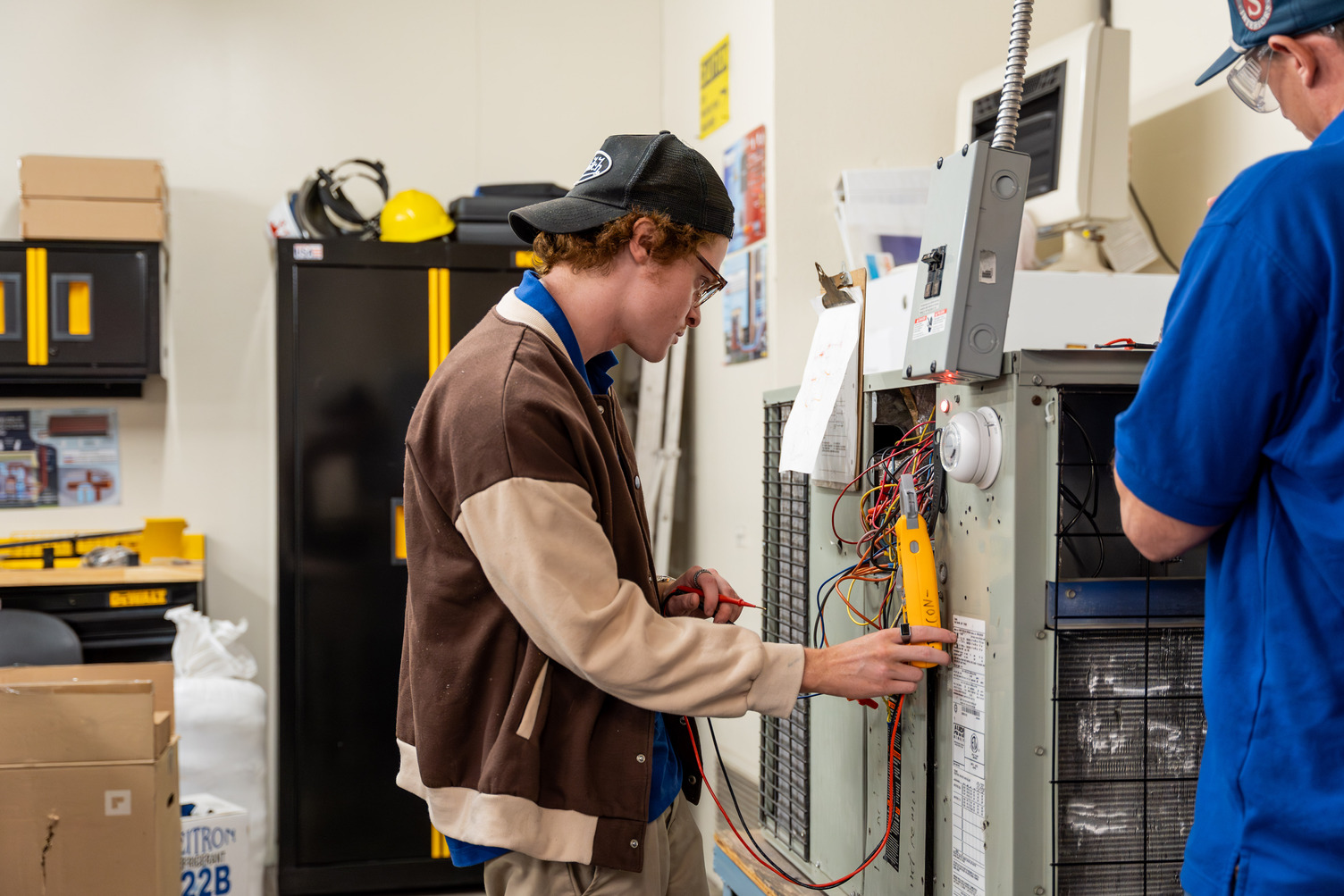
Hands-on experience is especially important when working with commercial-scale equipment. Exposure to larger commercial HVAC systems helps students transition more confidently into the field.
Structured HVAC training programs, such as The Refrigeration School’s HVAC and Refrigeration Technologies program, align with the skills used in commercial environments, including diagnostics, electrical fundamentals, and system maintenance.
Taking the Next Step Toward a Career in Commercial HVAC
Students who want to explore HVAC training programs and understand how commercial HVAC careers align with Arizona’s growing demand can contact the RSI team to learn about program details, timelines, and next steps.