RSI is a Great Training Option for Everyone
Learn more about how we can prepare you to advance your career.
If you’re thinking about trade school, you’ve probably heard that HVAC, electrical, and welding all lead to strong skilled trade jobs. What’s less obvious is that the day-to-day work feels very different in each trade.
Many students compare programs before fully understanding the jobs those programs lead to. Trade school training is designed to prepare you for a specific type of work with specific expectations. Asking the right questions now can help you choose a path that fits your interests, learning style, and long-term goals, not just one that sounds good on paper.
The five questions below are meant to help you picture what the work is really like before committing to a training program.
1. What Kind of Problems Do I Want to Solve Every Day?
One of the biggest differences between skilled trades is how problems show up and how they’re solved on the job.
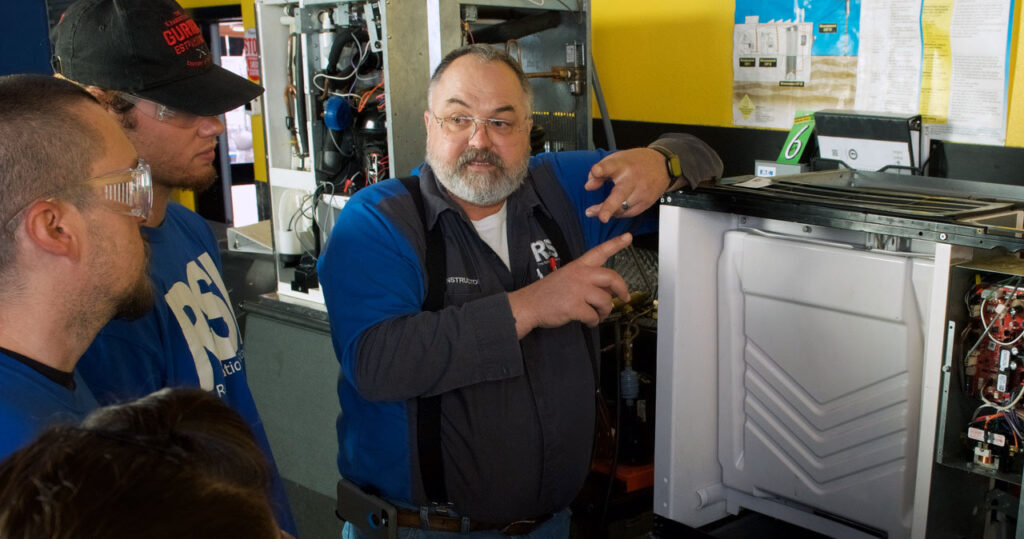
HVAC technicians often start with symptoms rather than clear answers. A system might be running but not cooling properly, or it might fail only under certain conditions like extreme heat or heavy use. Diagnosing the issue requires observation, testing, and narrowing down possibilities over time. Fixes often involve adjustment and verification, not just replacing one obvious part.
Get Started on the Path to a New Career
Fill out our form to learn how we can help you change your life.
Electricians usually work within clearly defined standards. Electrical systems must follow established codes, layouts, and safety requirements. When issues arise, the goal is to isolate faults, confirm compliance, and restore the system to a known, approved condition. Precision and adherence to rules are central to the work.
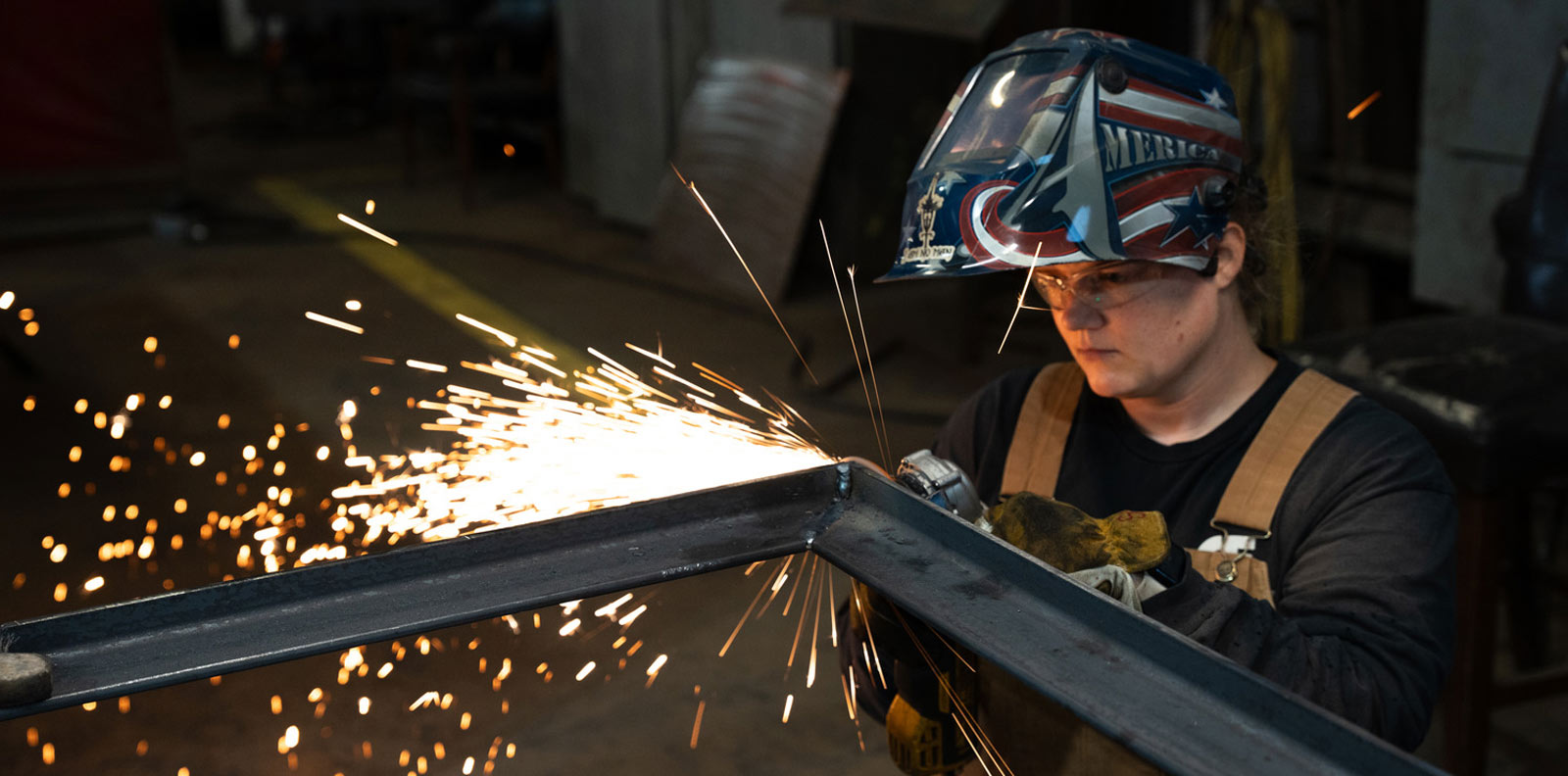
Welders focus on execution and consistency. Materials, joint types, and procedures are typically specified before work begins. Success depends on producing welds that meet exact requirements for strength, appearance, and durability. Errors are corrected by refining technique and maintaining tight process control rather than investigating system behavior.
How to think about fit:
- You may prefer HVAC if you enjoy troubleshooting and solving problems that don’t have one obvious answer.
- You may prefer Electrical if you like structure, rules, and knowing there’s a right way to do the job.
- You may prefer Welding if you enjoy hands-on repetition and mastering a physical skill through practice.
2. How Important Is Variety Versus Routine in My Workday?
Some people stay motivated by variety and constant change. Others prefer predictable routines that allow them to refine their skills through repetition. Knowing which environment helps you stay focused long term is an important part of choosing the right trade.
HVAC technicians often experience high variety in their roles. They move between different buildings, systems, and service calls, which means frequent changes in environment and problem types. Meanwhile, electricians may work on longer projects with more consistency, though job sites, layouts, and tasks still change as projects progress.
Welders, especially in manufacturing or fabrication settings, often perform repeated tasks in controlled environments where efficiency and consistency are emphasized.
3. What Physical and Environmental Conditions Am I Willing to Work in Long Term?
Physical demands in skilled trade jobs affect more than strength or stamina. They shape daily comfort, safety awareness, and how sustainable the work feels over time.
| Factor | HVAC | Electrical | Welding |
|---|---|---|---|
| Core physical challenge | Working in confined or awkward spaces while accessing equipment | Working at heights and around energized or unfinished systems | Sustained physical output while controlling heat and materials |
| Environmental exposure | Indoor and outdoor environments with temperature variation | Open job sites and partially completed structures | Heat, bright light, fumes, and protective equipment |
| Body strain pattern | Crawling, lifting, repositioning, overhead work | Climbing, balance, overhead installation | Standing for long periods, repetitive motion |
| Error consequences | Reduced system performance or repeat service calls | Safety hazards and code violations | Structural weakness or rejected work based on quality standards |
None of these conditions are “better” or “worse,” but they feel very different over months and years. Being honest about what you can handle daily helps prevent surprises later.
4. How Do Expectations Change as I Gain Experience?
In all skilled trade careers, expectations grow with experience, not because the work stops being hands-on, but because your judgment and responsibility increase.
HVAC technicians with experience are expected to diagnose less obvious system issues and evaluate overall performance rather than isolated components. Troubleshooting and testing become more advanced. Experienced electricians are often trusted to interpret code requirements and verify that systems are safe before inspection or use.
Welders are expected to meet tighter quality standards and handle more demanding work. Experience often leads to greater accountability for precision and consistency.
As skills improve, so does trust. Understanding this progression helps set realistic expectations for long-term growth in skilled trade jobs.
5. Am I Ready for Focused, Hands-On Training?
Skilled trades don’t require a four-year degree, but they do require commitment to practical learning.
Career and technical education programs focus on hands-on instruction, real-world scenarios, and skill repetition rather than broad academic coursework.
Students who succeed in trade school are typically those who:
- Learn best by doing
- Are comfortable practicing skills repeatedly
- Accept feedback and apply it quickly
Trade school is designed to build readiness, not test whether you already have it.
How Training Reflects Real Job Expectations
Each trade is taught differently because the work is different.
HVAC training emphasizes understanding how systems behave and how components interact. Lab work mirrors real service conditions, where symptoms vary and students must evaluate multiple possibilities before deciding on a solution.
Electrical training focuses on structure, planning, and compliance. Students learn to follow codes, verify outcomes against standards, and perform work safely and accurately.
Welding training centers on repetition and control. Students practice techniques, refine consistency, and learn how materials respond under specific conditions. Progress is measured by quality and repeatability.
An important question to ask when comparing programs is: “Does this training prepare me for the industry certifications I’ll need to enter the workforce after graduation?”
Choosing the Right Trade Starts With Understanding the Work
HVAC, electrical, and welding careers can all lead to stable, rewarding futures. The strongest outcomes usually come from choosing a trade that matches how you think, how you learn, and how you prefer to work.
By focusing on real job expectations, and not just job titles, you can approach trade school decisions with greater clarity and confidence.
Those interested in exploring skilled trades training options can reach out to learn more about available programs and next steps.