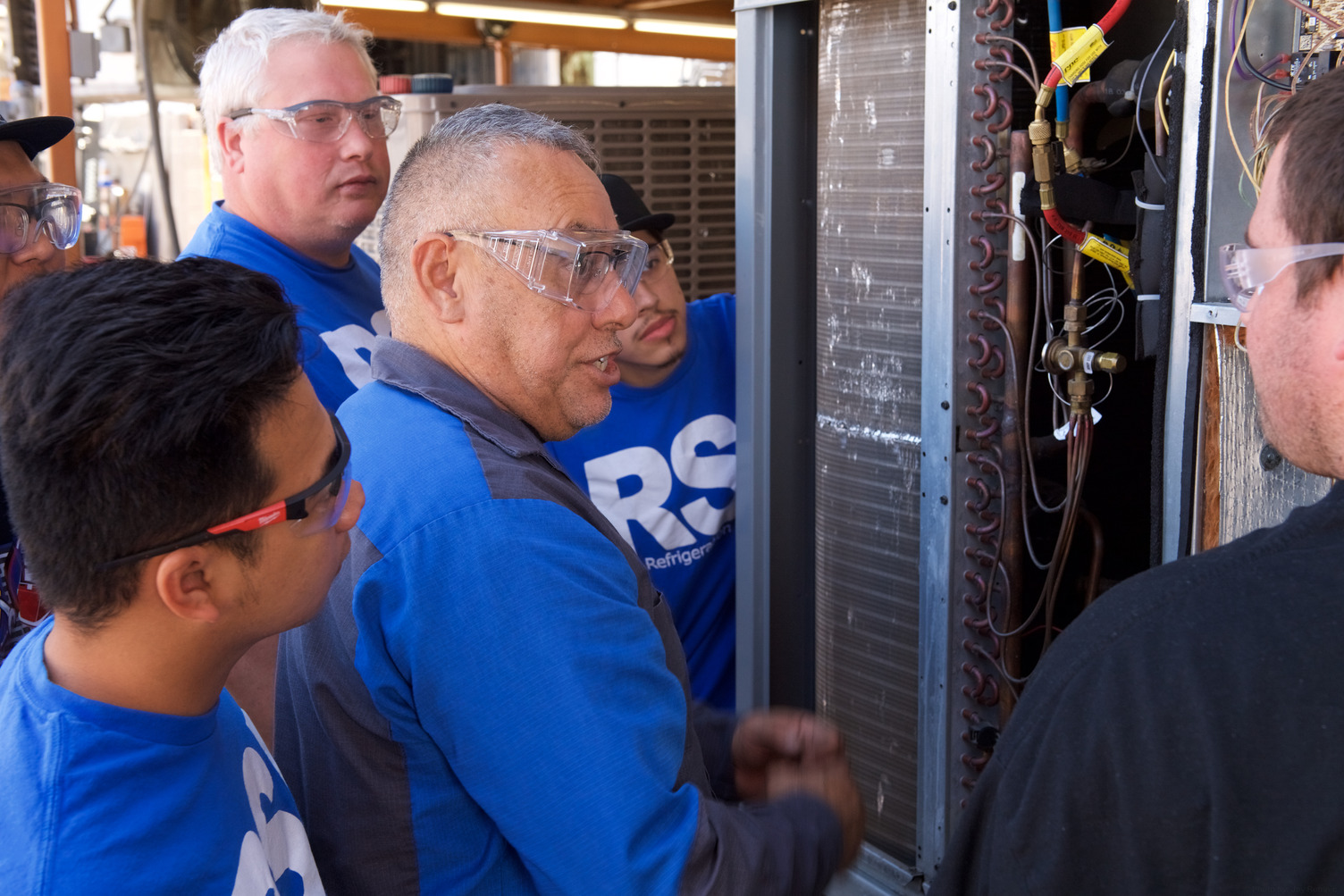
RSI is a Great Training Option for Everyone
Learn more about how we can prepare you to advance your career.
Many may hesitate to attend trade schools because they hear the same misleading information about trade schools: you won’t earn a good living without a degree, you’ll be stuck in a dead in job, trades training isn’t the same as a “real” education.
These ideas can make it hard to picture a clear path forward, especially for those exploring options after high school. Hands-on training often reveals strengths people did not realize they had because it invites them to experiment, problem solve, and see immediate results from their efforts.
Skilled trades provide stability, professional growth, and meaningful responsibilities across industries that communities rely on every day.
Myth 1: “Trade school is only for people who could not handle college.”
Trade schools are designed for people who learn best through applied, hands-on instruction.
Many students choose trade school because they want a direct connection between learning and real-world application. Technical training supports visual learners and problem solvers who enjoy working with tools and systems.
Get Started on the Path to a New Career
Fill out our form to learn how we can help you change your life.
Trade paths help new high school graduates and adults enter skilled careers because students can start without any background and build strong abilities with consistent guidance.
Myth 2: “Trade school only prepares you for low-paying jobs.”
In reality, skilled trades offer strong earning potential with clear opportunities for career advancement.
Typical salary ranges include:
- Welders earn an estimated average nationwide salary of $55,600 in the U.S.
- Electricians reportedly earn an average salary of $51,910 to $90,050 nationally.
- Those in HVAC reportedly earn an average salary of $77,855 nationwide, with roles ranging from $42,079 to $113,632.
Students can also finish training for these careers in as little as seven months at The Refrigeration School, which helps them begin earning sooner.
Myth 3: “Trade careers are only for men.”
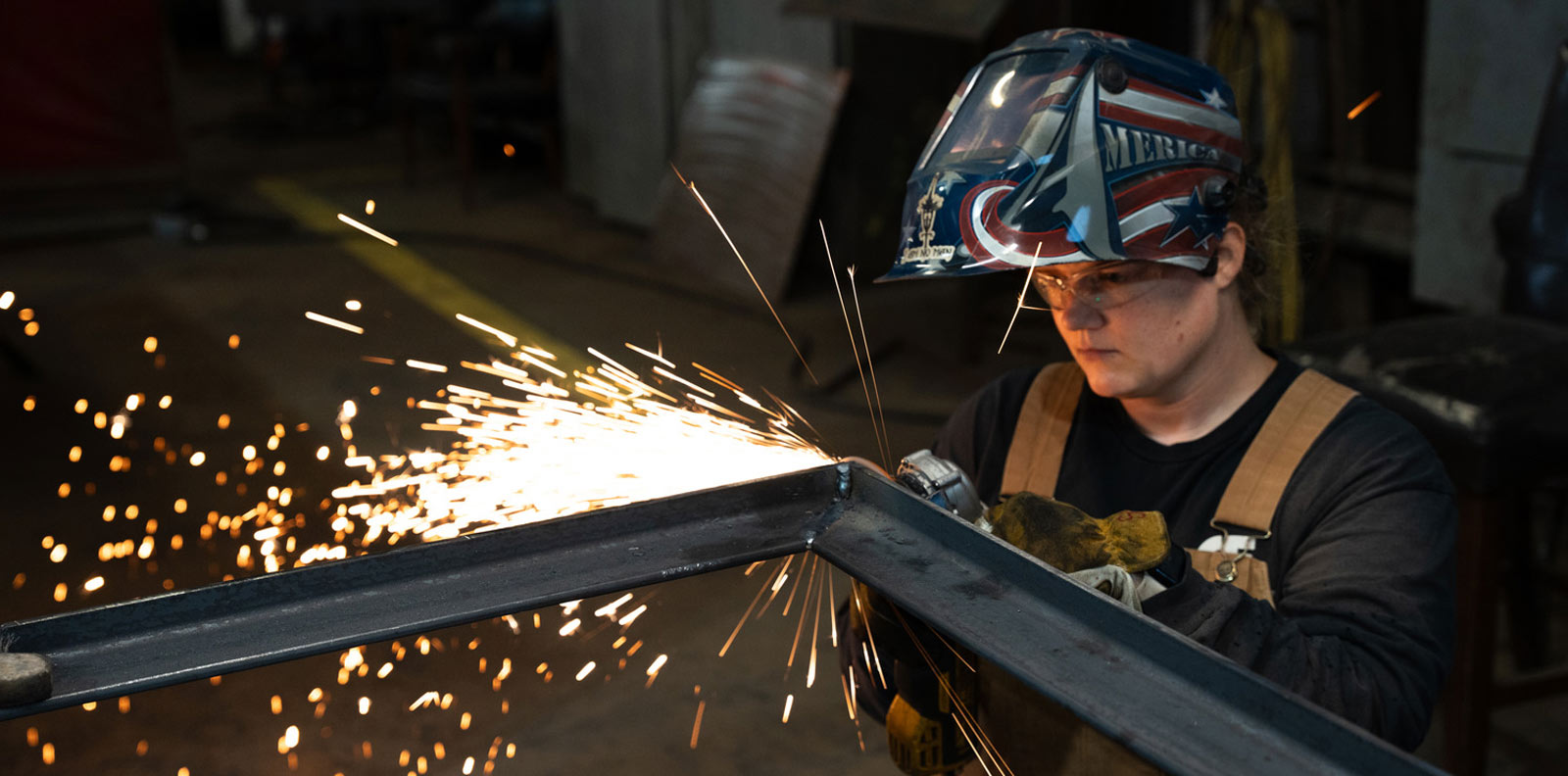
While the statistical majority of professionals in the trades are men, it has become a more standard expectation to see women enter the fields. Women make up an estimated 5% of welders. They also represent 2.9% of electricians, and hold 3% of HVAC and refrigeration mechanic roles. These numbers continue to grow as more women pursue trades fields.
A worker’s success in these fields depends on their skills, preparation, certifications, and commitment to their craft rather than their gender.
Myth 4: “Trade school does not lead to real career stability.”
Trade careers provide consistent demand often because the work is difficult to be outsourced or fully automated.
HVAC, electrical, and welding tasks require on-site skill and technical judgment. These roles support essential industries such as healthcare, construction, energy, and manufacturing.
HVAC technicians remain in steady demand across regions. This creates reliable employment and strong long-term prospects.
Myth 5: “You will get stuck in a dead-end job.”
In reality, the trades offer structured advancement and long-term mobility.
Technicians can move into senior technician, lead technician, inspector, supervisor, or manager roles. Certifications and experience open doors to more specialized or higher-paying positions. Some individuals transition into business ownership.
Myth 6: “Trade school is too expensive.”
Trade programs often cost less than four-year colleges and help students enter the workforce sooner. Shorter timelines reduce training costs, allow students to start earning earlier, and mean graduates have less student debt to repay.
Financial aid may also be available depending on eligibility. Scholarships, grants, and employer partnerships can lower expenses further.
The focused nature of trade programs makes costs easier to understand and budget for.
Myth 7: “You have to be naturally good with your hands.”
In reality, technical skills develop through practice and instruction.
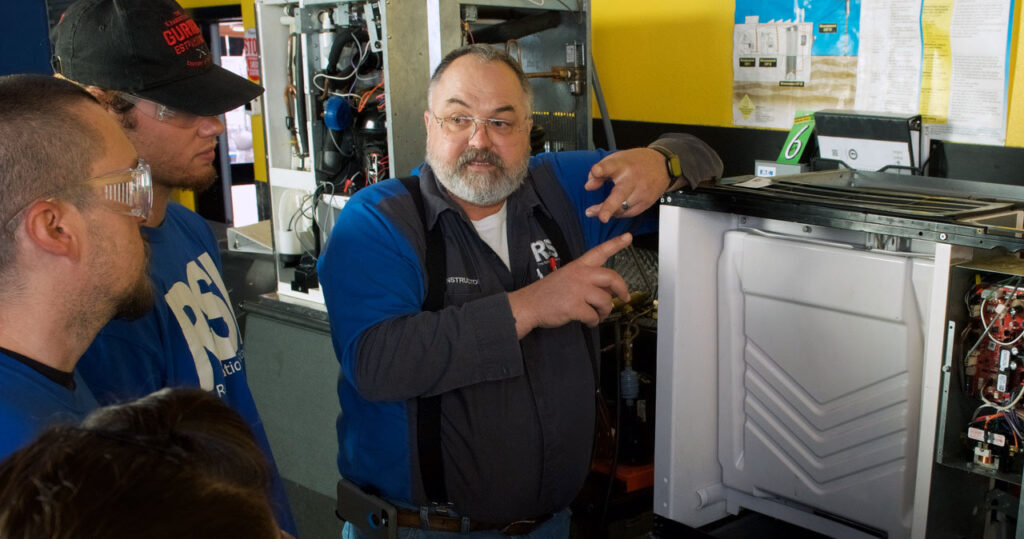
Students begin with fundamentals and build confidence as they learn how tools, systems, and procedures work. Instructors break every task into manageable steps so students understand the method before performing it. Welding programs, for example, teach techniques in a structured, step-by-step format. The same approach applies in HVAC and electrical labs, where students move from basic tool use to more advanced troubleshooting.
Progress throughout trade school comes from consistent effort rather than natural talent.
Myth 8: “You already needed experience before enrolling.”
Not true. Trade programs are built for beginners who have never worked with tools, systems, or technical equipment.
Training starts with foundational concepts so students can build confidence before moving into more advanced tasks. Early modules in electrical programs, for example, introduce safety practices and reinforce them steadily as students apply that knowledge to more complex work. HVAC and welding programs follow a similar structure, guiding learners from basic skills to diagnostics and troubleshooting. No prior experience is required because the training is designed to teach each step in a clear, manageable progression.
Myth 9: “Trade school will not help you find a job.”
Trade schools can provide direct support for the job search process through its Career Services department.
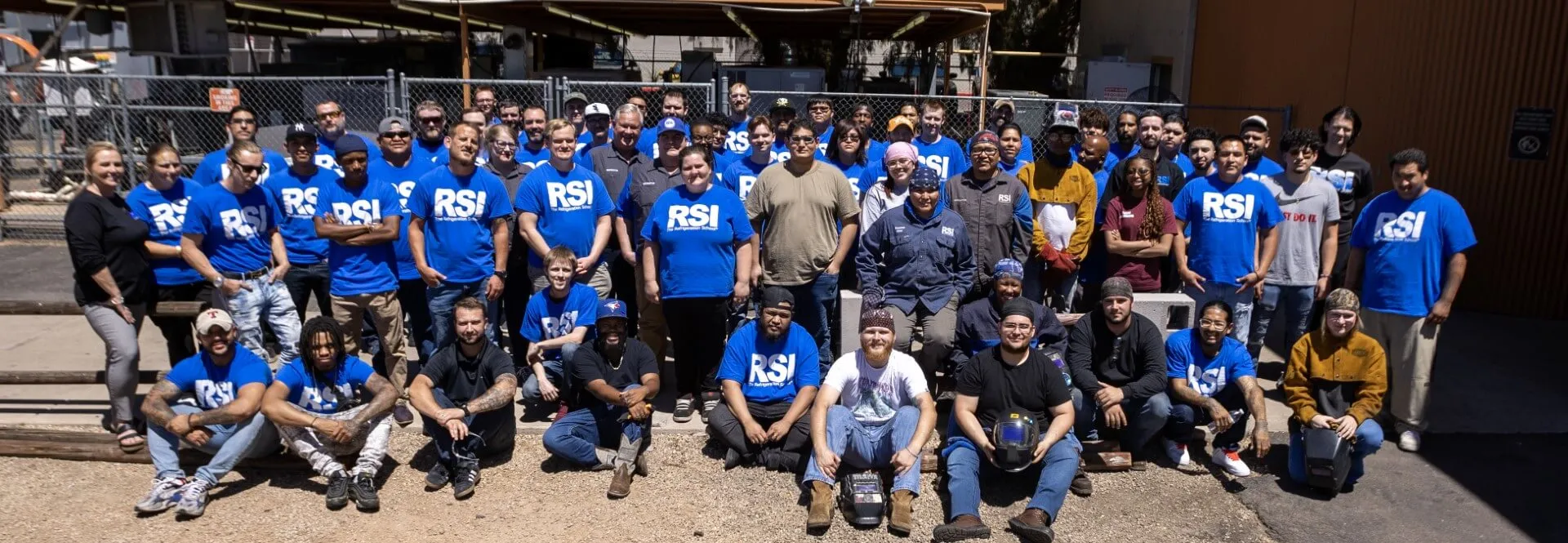
Students at educational organizations like The Refrigeration School, Inc. (RSI) receive help with résumés, interviews, and certification preparation. Employers often recruit directly from training programs because they trust the curriculum. Labs and instructors also help students build early industry connections.
Myth 10: “Trade work is unsafe.”
Technical training emphasizes modern safety standards and consistent protective practices. Students learn proper tool handling, system operation, and risk reduction strategies.
Myth 11: “Trades are too physically demanding for long-term careers.”
Trade careers vary in physical requirements, and many roles shift toward diagnostics and precision work.
Experienced technicians can move into supervisory or inspection positions that rely on judgment and technical knowledge. Advancements in technology continue to reduce physical strain across HVAC, welding, and electrical work. Welding careers offer roles with different levels of physical demand.
Myth 12: “There is no prestige in trade careers.”
In reality, technicians help keep communities functioning regularly. Even if the trades don’t necessarily pair with the aesthetic social prestige of a typical white collar job, the necessity of these roles often matters more.
People rely on skilled workers for repairs, upgrades, and emergency services. This work provides visible results and contributes to the comfort and safety of homes, schools, and workplaces. Many professionals take pride in solving real problems and supporting essential systems.
Myth 13: “Trade school does not lead to real education.”
Technical programs provide deep, practical education built on industry standards and real system knowledge.
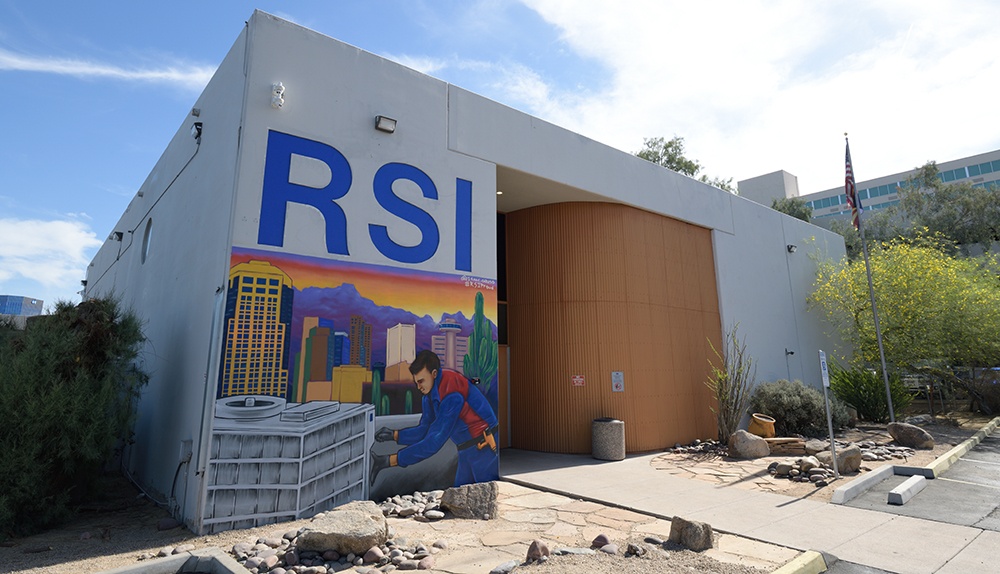
Students learn diagnostics, specialized tools, and practical techniques through consistent repetition. This approach builds job-ready understanding that employers value. Campus tours give prospective students a clear view of labs and training spaces.
If you want more information about training paths or program details, reach out to the team at RSI today and learn more about how your career can grow!