RSI is a Great Training Option for Everyone
Learn more about how we can prepare you to advance your career.
Choosing what trade school is perfect for you can get complicated fast. Program names sound similar, costs can vary widely, and the differences that actually determine whether a graduate is ready to work rarely show up in a brochure.
The Refrigeration School (RSI) in Phoenix, Arizona has built its training model around those specifics, and the distinction becomes clear once you know what to measure.
Trades Careers Keep the World Running and They Are Growing
The heating, cooling, electrical, and welding work that skilled tradespeople perform is not optional infrastructure. It is what keeps homes livable, buildings functional, and job sites operational. That demand does not slow down, and the workforce needed to meet it is not keeping pace. The Bureau of Labor Statistics projects employment across construction and extraction trades to grow steadily through 2034, driven by new construction, aging systems, and the ongoing need for maintenance across residential and commercial sectors.
For anyone weighing trades school options against a four-year degree, the comparison is straightforward. At an in-state public university, the average cost of attendance runs $27,146 per year, totaling more than $108,000 over four years. Most trade programs cost a fraction of that and take months, not years, to complete. Students enter the workforce sooner, with less debt, and into fields where the work is consistent.
What to Look for in Trade Schools in Arizona
Not all trades school options are built the same, and the gap between programs shows up on the job, not in the classroom. Accreditation, hands-on training time, instructor backgrounds, and schedule options in Arizona are all worth scrutinizing before committing.
Get Started on the Path to a New Career
Fill out our form to learn how we can help you change your life.
Hands-On Lab Time vs. Classroom Hours
Employers hiring entry-level tradespeople expect candidates who can handle real equipment safely and competently. That skill develops in a lab, not a lecture hall. When evaluating any trade program, ask what percentage of total training hours are spent in hands-on lab settings. A program that skews heavily toward classroom instruction is preparing students to pass tests, not to perform on a job site.
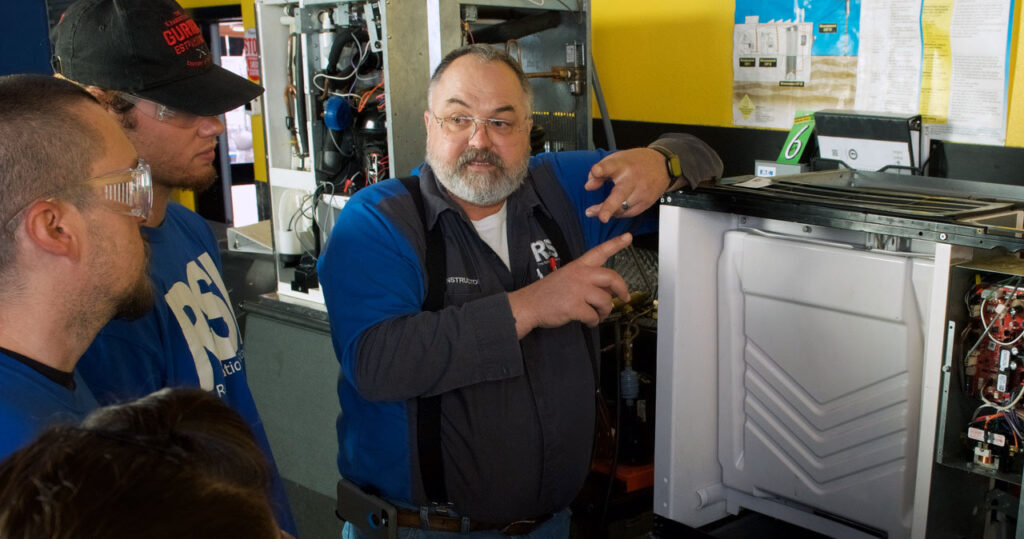
At RSI, lab training is the backbone of every program. Students work on live equipment and industry-standard tools from the early stages of training, building the kind of muscle memory and diagnostic instincts that only come from repetition with real systems.
Program Length and Schedule Options
Short, focused programs reduce the time between enrollment and a first paycheck. For career changers or recent graduates who cannot afford years of reduced income, that timeline matters. Before enrolling, confirm how long the program runs, whether evening or weekend schedules are available, and when graduates are typically ready to work.
RSI’s programs are designed to move students into entry-level roles efficiently, and several programs offer flexible scheduling for working adults who need training to fit around existing obligations.
Accreditation
Accreditation determines whether a school meets established educational standards, and it directly affects financial aid eligibility. Students at an accredited institution can access federal financial aid, including grants and loans, that are unavailable at unaccredited schools.
RSI holds institutional accreditation through the Council on Occupational Education, which means students can pursue federal funding options as part of their enrollment planning.
Instructor Backgrounds
A trades instructor who has spent years in the field brings something a career academic cannot: direct knowledge of how the work actually runs. They know which code violations show up most often in the field, how equipment behaves outside of textbook conditions, and what employers notice during a first-week evaluation. When reviewing a school, ask whether faculty are required to have active industry experience or relevant certifications.
Industry Alignment
Curriculum that reflects current industry standards produces graduates who are useful immediately. Programs that lag behind in technology, code updates, or equipment types leave students learning systems their employers have already moved past.
How RSI Trains Students for Entry-Level Roles
RSI’s programs cover three of the highest-demand trades in the Arizona market:
- HVAC
- Welding
- Electrical
Each program is structured around the skills an employer expects from a new hire, not a generalized survey of a field.
HVAC Training
RSI’s Refrigeration Technologies program prepares students for entry-level work on both residential and commercial systems. Core topics include:
- Refrigeration theory
- System diagnostics
- Electrical fundamentals
- Residential and commercial equipment
Students also prepare for the EPA Section 608 certification, which is federally required for anyone who purchases or handles refrigerants. In a market like Phoenix, where air conditioning is not a seasonal convenience but a year-round necessity, trained HVAC technicians have consistent, reliable demand for their work.
Welding Training
RSI’s Welding Specialist program builds proficiency across the three processes students will encounter most in manufacturing, construction, and fabrication roles:
- MIG welding
- TIG welding
- Stick welding
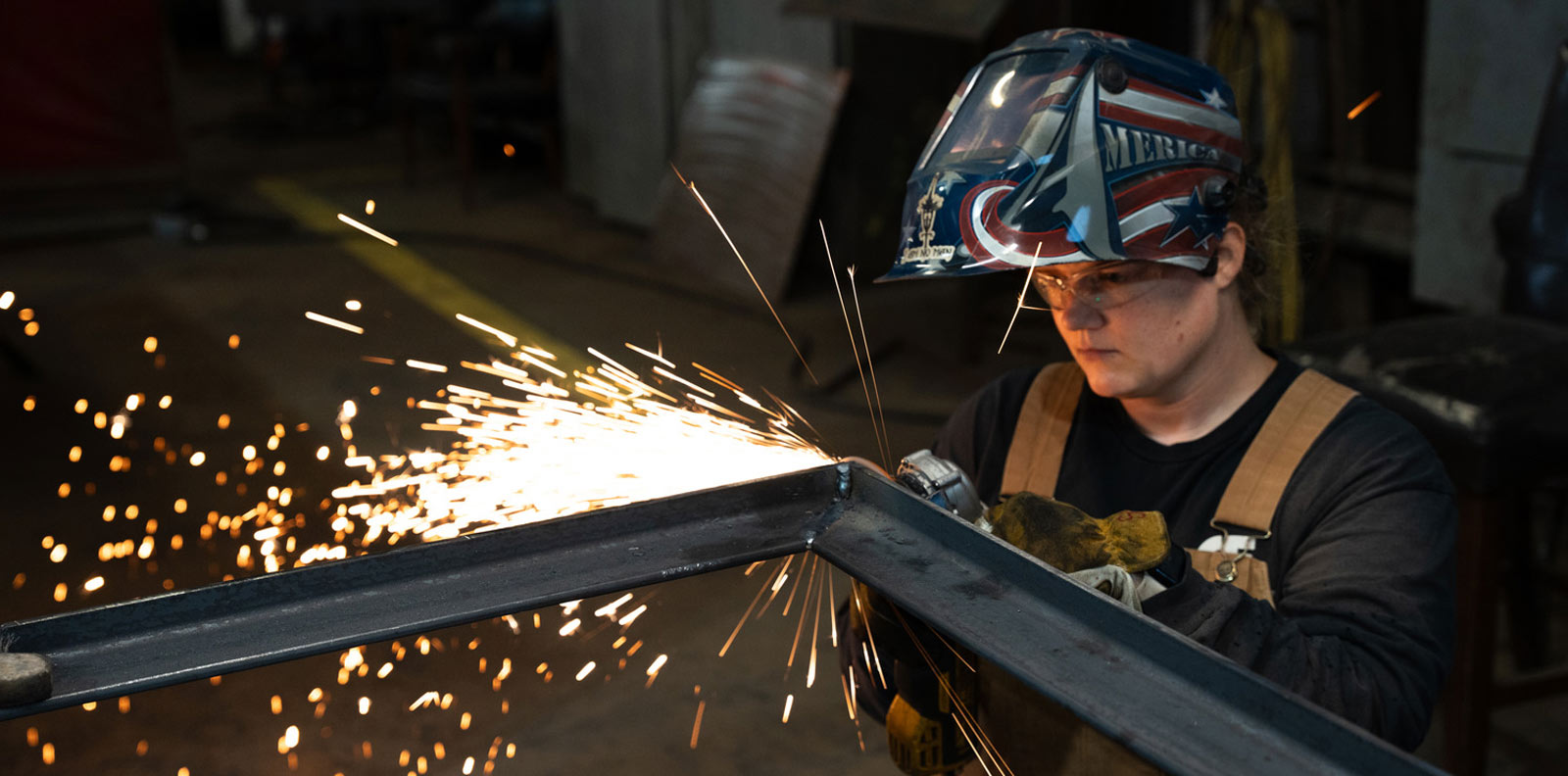
All three are taught on industry-standard equipment. RSI’s lab environment gives students the repetition time they need to develop clean, consistent welds before they are working under production deadlines.
Electrical Training
RSI’s Electrical Applications program builds the foundational skills employers expect from entry-level hires. Students cover:
- Wiring and circuitry
- Safety protocols
- National Electrical Code compliance
Electrical work spans nearly every sector of construction and maintenance, and students who graduate with a solid foundation in code-compliant wiring are prepared to contribute from their first week on a job site.
Phoenix trades employers hiring entry-level electricians consistently look for candidates who understand safety and code basics, and the range of electrician career paths available to trained graduates reflects how broadly that foundation applies.
What Sets RSI Apart From Other Arizona Trade Schools
Many universities and community colleges offer trade-adjacent programs as one option among dozens. Resources, lab space, and faculty attention are divided across a broad catalog. RSI’s entire operation is built around skilled trades training. There are no elective courses unrelated to the work, no programs competing for lab time, and no instructors split between trade courses and unrelated academic departments.
That focus produces a different kind of preparation. Students at RSI spend their training hours building trade skills, not satisfying general education requirements. The result is a graduate who is narrowly but deeply prepared for the specific work they are entering.
| RSI Advantages | Broader Arizona Schools With Trade Programs |
|---|---|
| Entire institution focused on skilled trades | Trade programs share resources with unrelated departments |
| Lab-first training model | Lab time varies by program and campus |
| Instructors with field experience | Faculty backgrounds vary |
| Programs designed around employer expectations | Curriculum may reflect academic priorities |
| Shorter programs focused on job readiness | Longer programs may include unrelated coursework |
Taking the Next Step
The trades career pipeline in Arizona is open. Phoenix trades employers are actively hiring in HVAC, welding, and electrical, and the competition for qualified entry-level workers continues to outpace the supply of trained graduates. A focused program at the right school shortens the distance between where a student starts and where an employer needs them to be.
RSI’s admissions team can walk through program options, scheduling, and financial aid. For anyone ready to stop comparing and start training, reach out to get the ball rolling.