RSI is a Great Training Option for Everyone
Learn more about how we can prepare you to advance your career.
Competitive technicians treat their training program like the first day of their career. Every lab session, every troubleshooting exercise, every early morning alarm is a chance to build the discipline and confidence that employers notice during interviews and, more importantly, on the job.
The habits they build during school, the certifications they earn, and the way they approach problem-solving and professionalism all compound over time. By the time an employer gives them a shot, they’re already ready to deliver.
Phoenix job opportunities in the skilled trades are growing. But opportunity alone doesn’t make someone competitive.
Technical Skills That Actually Match the Job
One of the most common frustrations employers voice is the gap between what applicants know and what the work requires. A candidate might understand theory but freeze when they’re handed a manifold gauge set. Or they may have general knowledge but lack the specific certifications the job demands.
Certifications That Give You an Edge
Formal credentials tell an employer that a candidate has met a verified standard. In HVAC/R specifically, the U.S. Environmental Protection Agency requires technicians who maintain, service, repair or dispose of equipment that could release refrigerants into the atmosphere to hold EPA Section 608 certification. Walking into an interview with that credential already in hand removes a barrier many entry-level candidates still face.
Get Started on the Path to a New Career
Fill out our form to learn how we can help you change your life.
OSHA safety training is another differentiator. Employers in construction-adjacent trades want to know a technician understands workplace safety protocols before stepping onto a commercial site or a rooftop. Technicians with these certifications signal that they’re serious about the profession.
Hands-On Training vs. Learning on the Fly
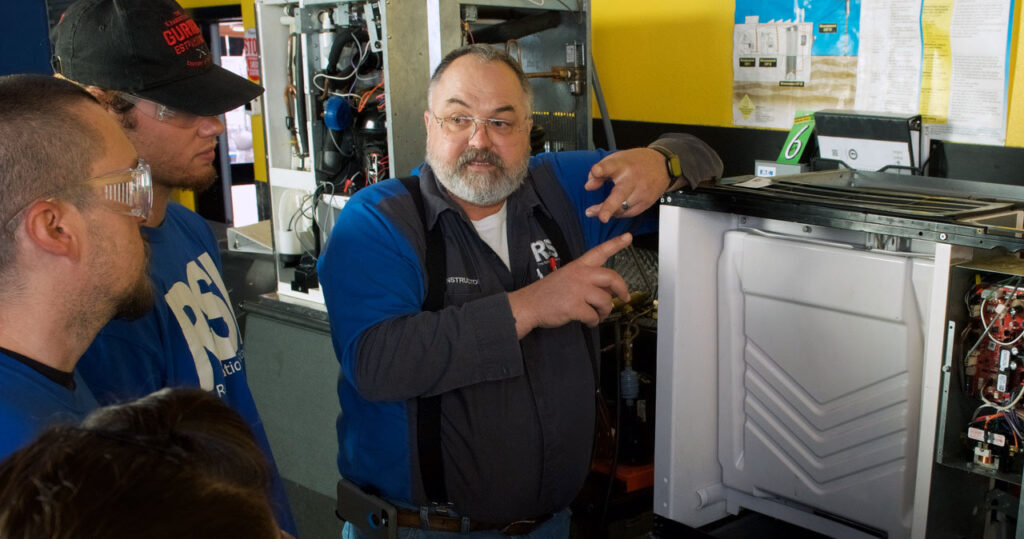
There’s a meaningful difference between learning on the job with no foundation and arriving with structured, hands-on experience. HVAC technicians typically need postsecondary instruction from technical and trade schools or community colleges. Employers often prefer candidates with that formal background because it shortens the ramp-up period on the job.
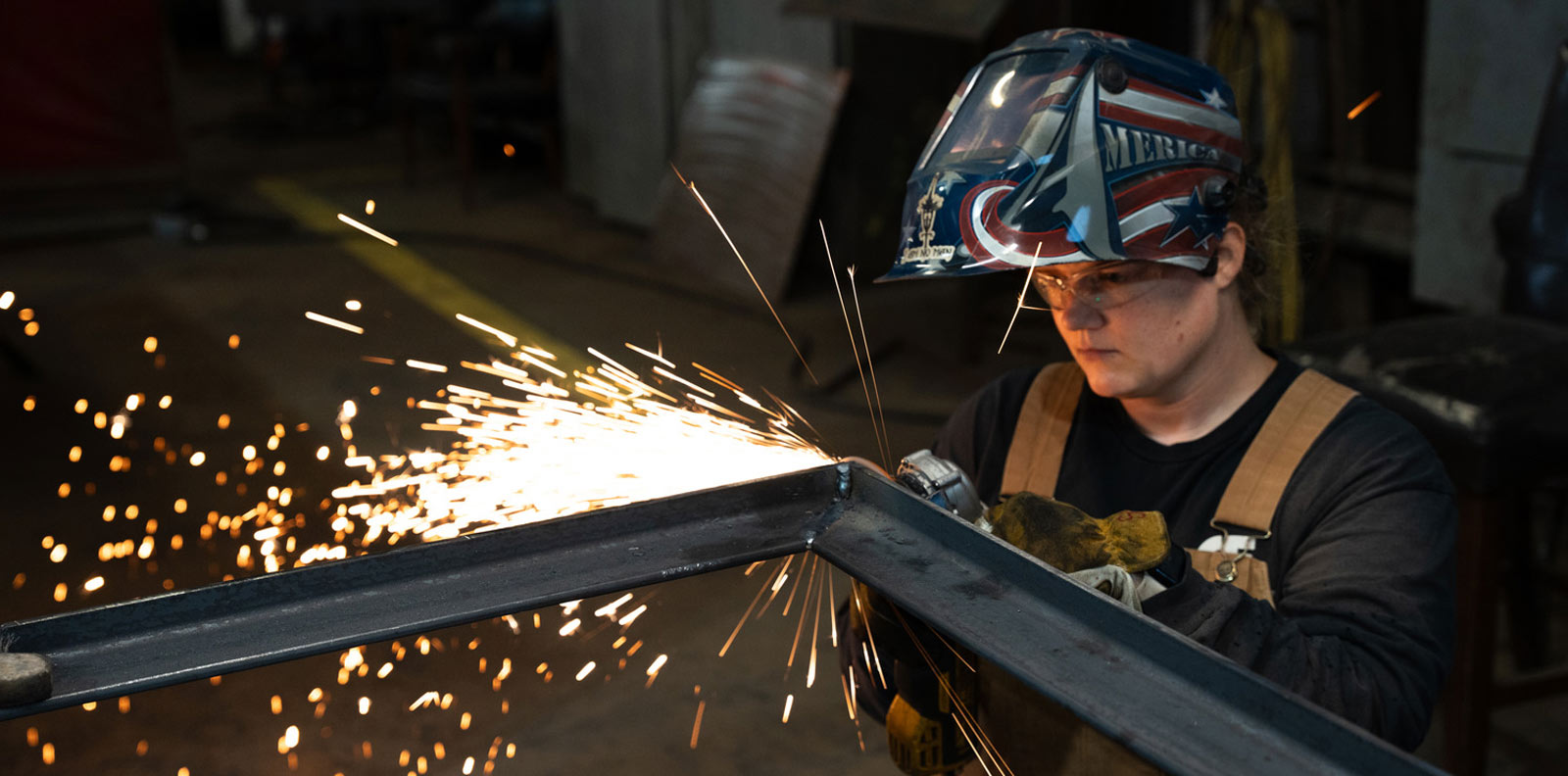
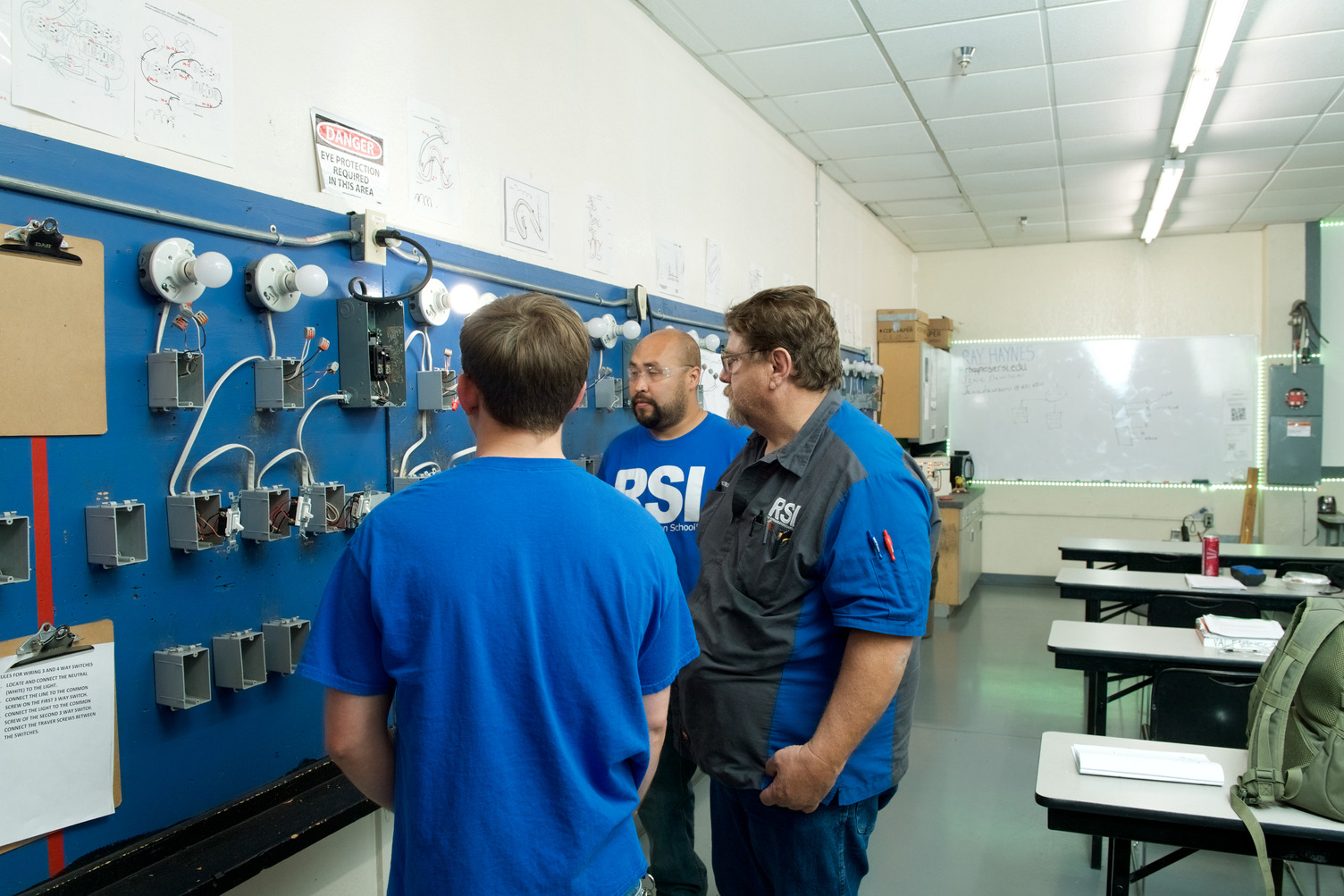
At The Refrigeration School, Inc. (RSI) in Phoenix, programs in HVAC/R, electrical and welding are designed around employer expectations:
Students train on industry-standard equipment, practice real-world troubleshooting scenarios and gain the kind of focused, career-oriented preparation that gives graduates an advantage over candidates who learned piecemeal or skipped formal education altogether.
What Phoenix Employers Are Looking for in Candidates
The qualifications that consistently set candidates apart include EPA Section 608 certification, hands-on diagnostic experience and the ability to work across both residential and commercial systems. Employers investing in data centers, semiconductor facilities and large-scale residential developments also look for technicians who can handle specialized environments, not just routine service calls.
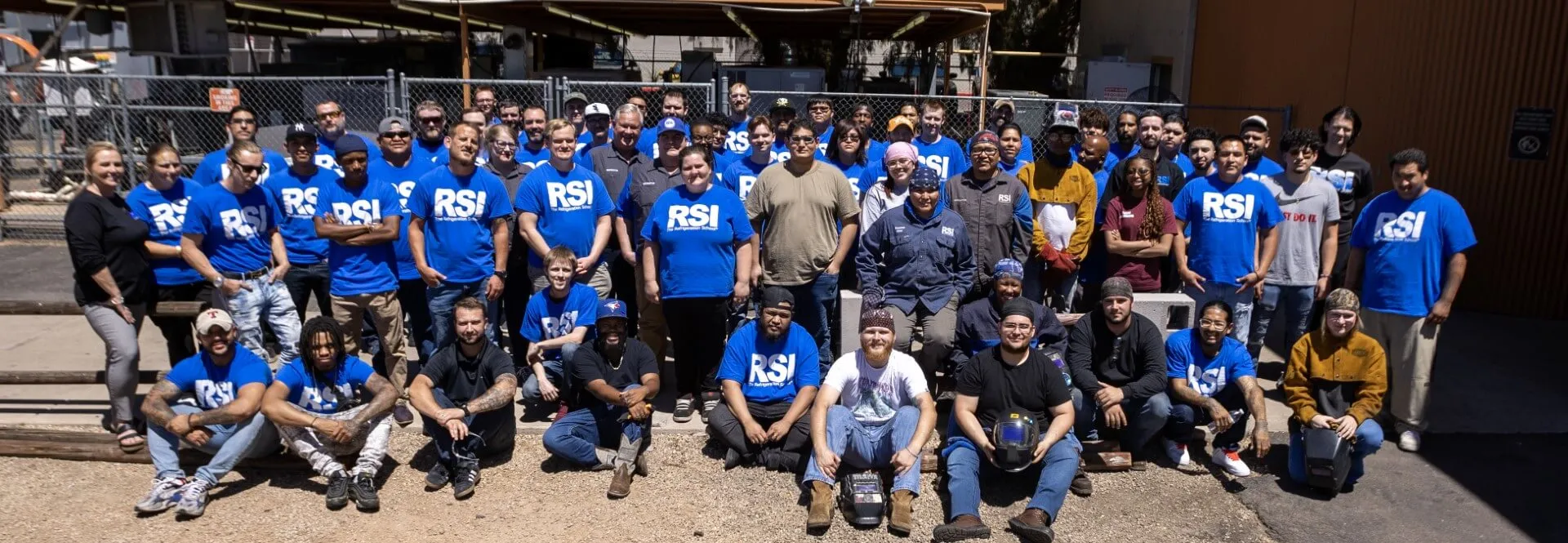
Beyond credentials, employers want technicians who have trained on current equipment. Someone who has spent months troubleshooting real systems in a lab setting is a lower-risk hire than someone with no formal background. That’s one reason many Phoenix employers recruit directly from trade school programs and offer sign-on bonuses, tool allowances and accelerated advancement tracks to attract candidates who arrive prepared.
Soft Skills That Employers Actually Screen For
Technical ability opens doors, but the technicians who move up quickly tend to share a few traits that show up in the field, not on a resume.
Communication
A residential technician who can walk a homeowner through what’s wrong with their system in plain language builds trust faster than one who rattles off part numbers. On a commercial job, clear communication with a project manager or general contractor keeps the work on schedule and prevents costly misunderstandings. Technicians who communicate well get trusted with bigger jobs sooner.
Reliability
In a field where a missed service call means a family without air conditioning in a Phoenix summer or a restaurant losing a walk-in cooler full of inventory, reliability carries real weight. Showing up on time, completing work as promised and being reachable when on call are baseline expectations that a surprising number of technicians fail to meet consistently. The ones who do stand out quickly.
Problem-Solving
A textbook can walk you through a standard compressor failure. But when a technician arrives at a job and the symptoms don’t match anything they’ve seen before, the ability to reason through the problem on-site is what separates a callback from a resolution. This skill builds through repetition during training, which is another reason hands-on lab time matters so much. The more scenarios a student has worked through before graduation, the more confident they’ll be when something unexpected comes up in the field.
Staying Competitive as the Industry Evolves
Smart thermostats, IoT-connected HVAC systems and AI-enhanced diagnostics are now standard expectations in many commercial and residential settings. Troubleshooting today involves software, network connectivity and data readouts alongside traditional mechanical repair. Technicians who only know how to work on legacy systems will find their options narrowing as buildings get smarter.
Phoenix’s transformation into a semiconductor, healthcare and advanced manufacturing hub makes this especially relevant. Data centers require precise climate control with redundant cooling systems. Clean rooms in semiconductor plants demand air quality standards that go well beyond a typical commercial install. Medical facilities need technicians who understand specialized ventilation requirements.
A few ways to keep your skills current:
- Pursue manufacturer-specific training. Companies like Trane, Carrier and Lennox offer courses on their latest equipment. Completing these can make you a preferred technician for that brand’s service work.
- Earn additional certifications. Credentials beyond EPA 608, such as NATE certification or specialized refrigeration endorsements, open doors to higher-paying roles.
- Stay current on building codes and energy-efficiency standards. Arizona’s codes evolve, and technicians who understand current requirements can take on work that others can’t.
- Learn the basics of building automation and smart controls. Even introductory familiarity with networked systems, smart thermostats and diagnostic software sets you apart from technicians who haven’t kept up.
Technicians who treat their education as ongoing rather than a finished position themselves for the higher-paying, more specialized Phoenix trades jobs that open up as the market grows.
Start Building Your Edge Now
What makes some trades technicians more competitive in Phoenix comes down to preparation. The right training, relevant certifications, professional habits and a willingness to keep growing are what separate technicians who thrive from those who plateau.
The Phoenix job opportunities in the skilled trades are real, and they’re growing. But the ones worth having go to the candidates who are ready.
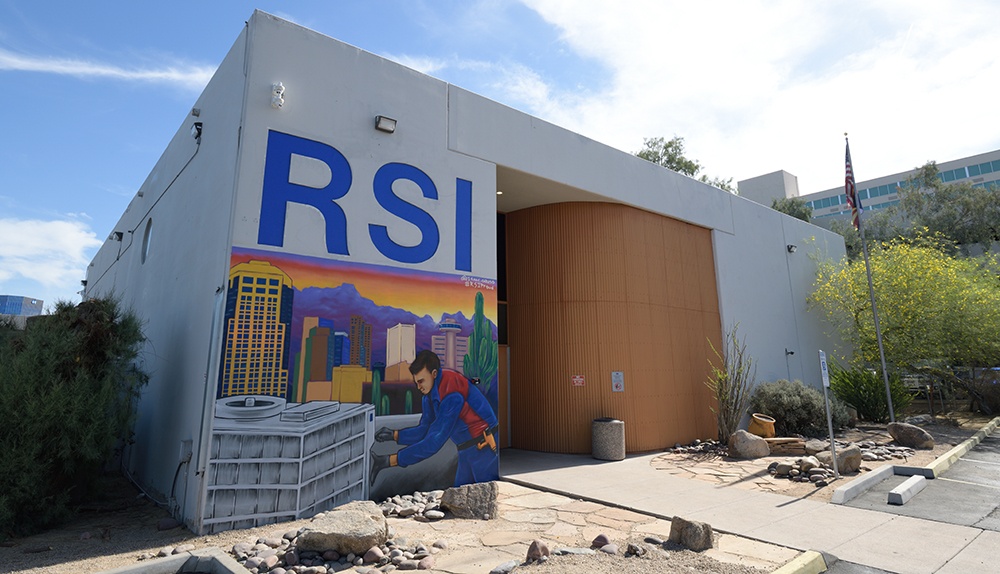
If you’re considering a career in HVAC/R, electrical or welding, RSI’s programs are designed to help you show up prepared. Explore your options, visit the Phoenix campus or request more information to get started.