RSI is a Great Training Option for Everyone
Learn more about how we can prepare you to advance your career.
Around 8.4% of Phoenix’s workforce is employed in construction, tying for one of the highest shares of any major metro in the country. The city also saw a 6.9% year-over-year increase in construction employment, the highest among major metro areas in a 2025 ranking of U.S. cities for construction workers.
Nationally, the construction industry needs nearly 500,000 new workers in 2026 alone, with electrician employment projected to grow 9.5% and HVAC technician employment up 8.1% through 2034.
For those considering Phoenix trade schools, the city itself is part of what they’re choosing: a large, active job market with a range of residential, commercial, and industrial work that smaller cities can’t match.
Phoenix’s Growth Is Creating Real Work for Trades Graduates
Phoenix entered 2026 with renewed momentum across data center development, advanced manufacturing, and commercial expansion. Arizona companies committed to creating a projected 24,000 new jobs in fiscal year 2025, with an average wage of $95,928, setting a new state record.
The clearest example is the TSMC semiconductor expansion in North Phoenix. The project represents a $165 billion investment, the largest foreign investment in Arizona’s history, and is expected to generate roughly 40,000 construction jobs over the next four years. That’s construction work, HVAC/R installation, electrical infrastructure, and industrial welding at a scale smaller cities simply don’t see.
Get Started on the Path to a New Career
Fill out our form to learn how we can help you change your life.
Projects like this don’t exist in isolation.
The Valley Pipeline manufacturing network, mixed-use developments across the metro, and ongoing residential expansion all feed the same demand. Students who graduate from trade schools in Phoenix enter a market that’s hiring across multiple sectors at once, not waiting on a single employer or a single construction cycle.
The Range of Work Here Is Different
A smaller market tends to concentrate work in one or two sectors. Phoenix runs across several at once:
- Residential growth, driven by a population that continues to expand year over year
- Commercial development, with retail and office construction active across multiple submarkets
- Data center buildout, fueled by tech giants pouring capital into AI infrastructure
- Large-scale industrial expansion, with Phoenix ranked third in the country for industrial real estate under construction
For a trades graduate, that means more types of employers to pursue and a broader base of experience to build early in a career.
Consider what each trade encounters here:
- HVAC/R technicians service residential systems, commercial buildings, data centers, and industrial refrigeration, including the large-scale cooling infrastructure that semiconductor and advanced manufacturing facilities require
- Electricians handle new residential builds, commercial retrofits, and the complex power systems tied to tech and manufacturing campuses
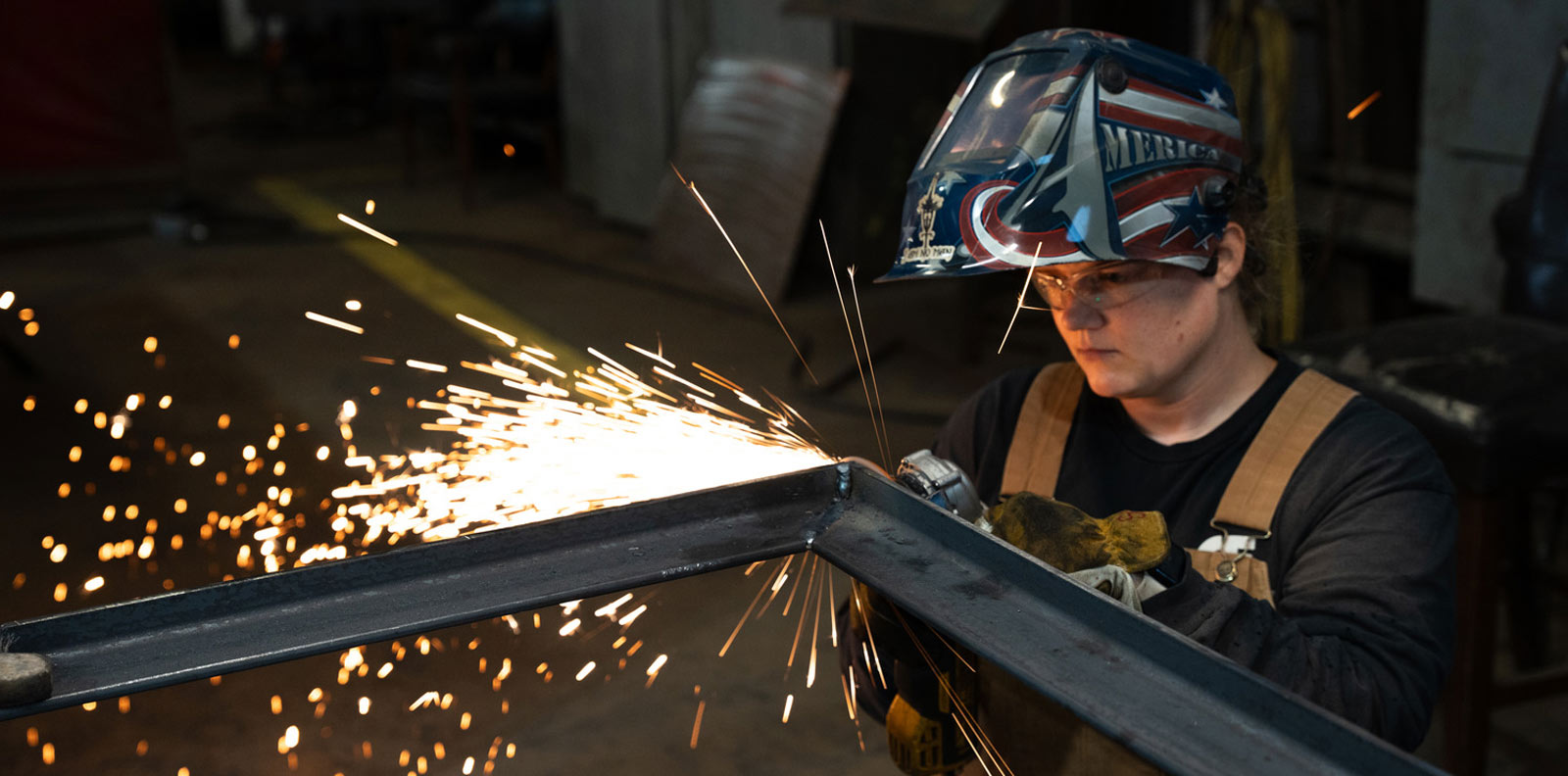
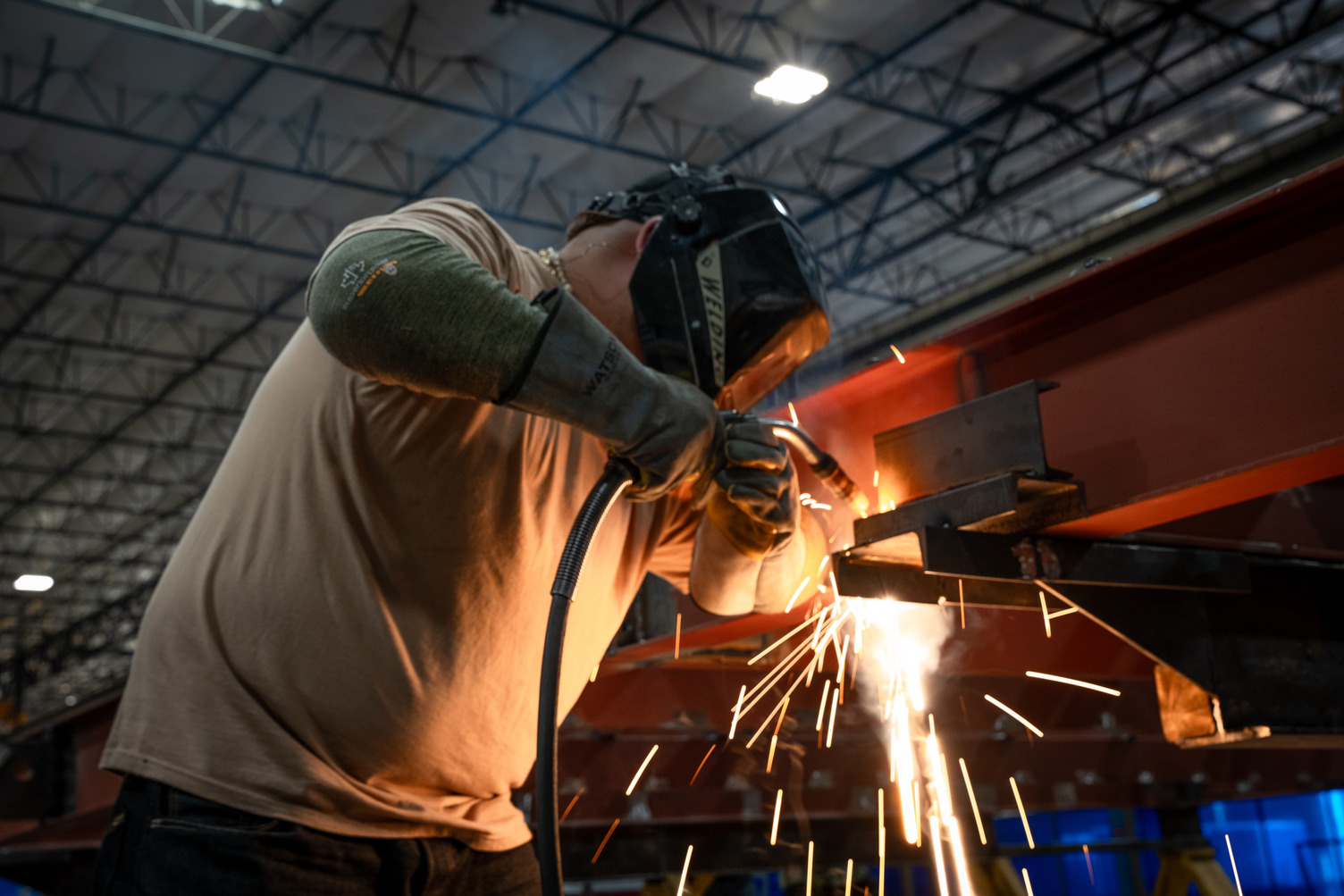
- Welders find work in structural construction, industrial fabrication, and specialty applications tied to the metro’s manufacturing growth
That range matters early in a career. A technician who has worked across multiple system types and environments is a more adaptable hire than one who has only seen one sector. Phoenix employers tied to semiconductor and advanced manufacturing growth look for candidates who can handle specialized environments, not just routine service calls.
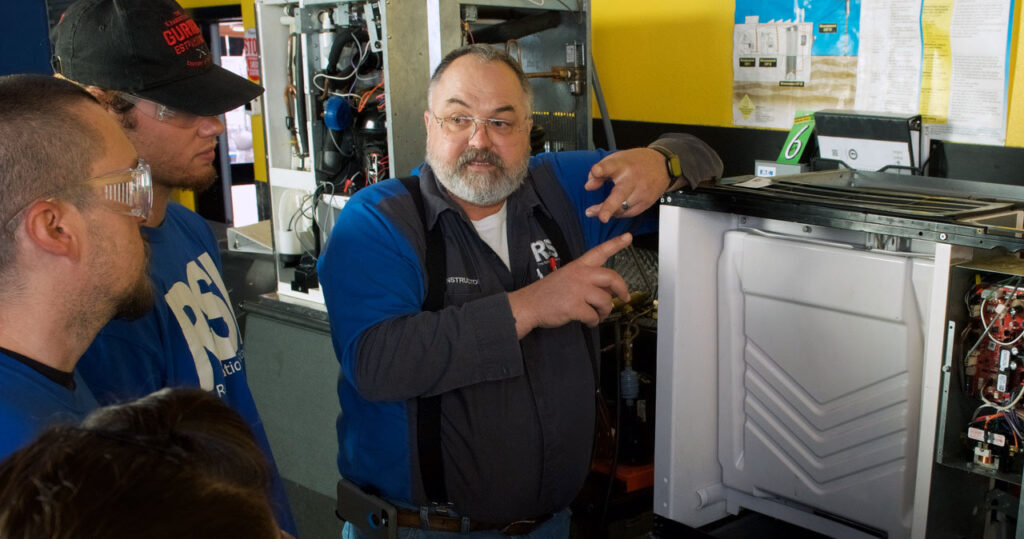
The Refrigeration School, Inc. (RSI) builds its programs around that reality. Students train on industry-standard equipment with a focus on real-world troubleshooting, and the curriculum reflects what local employers across those sectors actually expect on day one.
Where You Train Shapes Who You Have Access To
Trade school options in a smaller city put graduates in front of a limited employer pool at graduation. Phoenix operates differently. The metro’s construction sector added nearly 6,000 jobs in a single year across residential, commercial, and industrial sectors, which means the range of employers actively hiring here is wider than what most regional markets can offer.
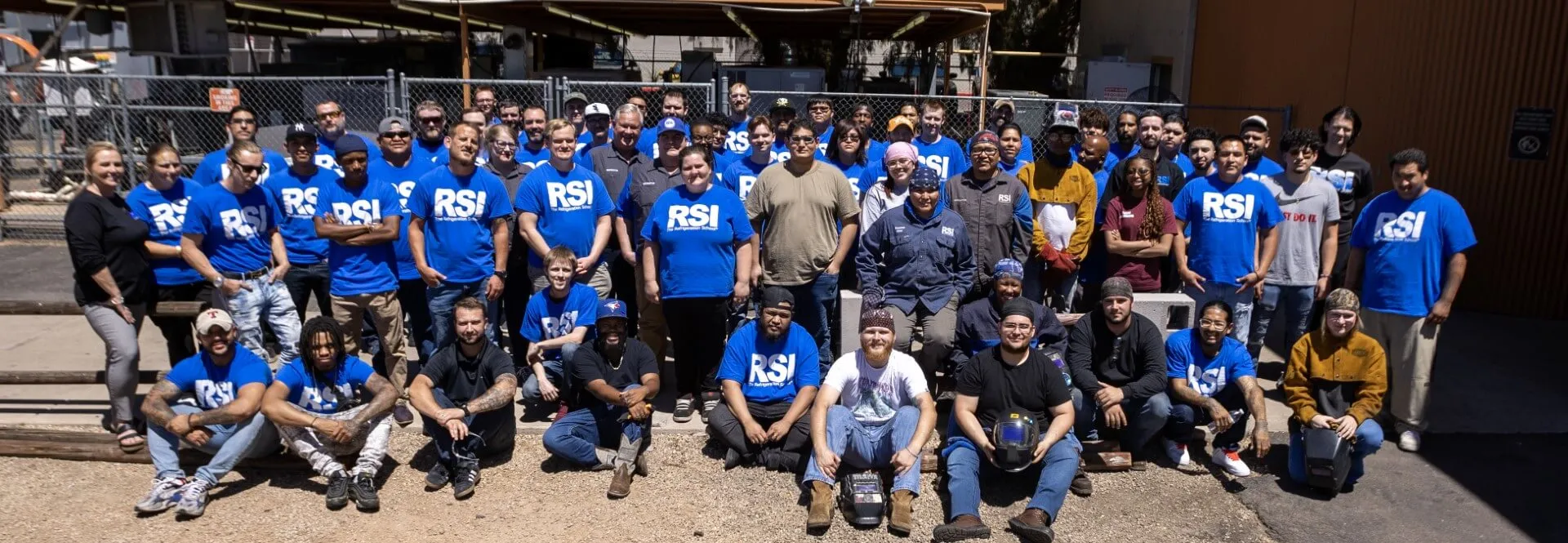
RSI has been placing graduates with Phoenix-area employers since 1965, and its Career Services team operates within that same active local market. Those are relationships built over decades of graduates entering the same regional workforce.
Heat, Dust, and What They Do to Mechanical Systems
Phoenix averages over 300 days of sunshine per year and summer temperatures that regularly exceed 110°F. For HVAC/R systems, that means near-constant operation for months at a stretch. Residential AC units in Phoenix typically reach the end of their lifespan in 10 to 15 years, versus the national average of 15 to 20.
The shortened lifespan is a direct result of the demands Phoenix places on mechanical systems, and it drives consistent, year-round service demand that technicians in cooler climates rarely see at the same pace.
Phoenix sits in one of the most active haboob corridors in North America. These dust storms reduce visibility to near zero, deposit thick layers of fine grit across the Valley, and accelerate wear on HVAC components, clog filters and coils, and compromise electrical systems.
In August 2025, a single haboob knocked out power to over 60,000 Phoenix customers and left mechanical systems across the metro requiring service.
For students, training in these conditions means direct exposure to what drives the highest service demand in the trade:
- Systems that run harder and fail sooner than in most other markets
- Diagnostic scenarios involving heat-related stress, dust contamination, and accelerated component wear
- Year-round call volume rather than the seasonal cycles common in cooler climates
- Experience across both residential and commercial systems under real operating pressure
A technician who trained in Phoenix arrives in any other job market with a diagnostic baseline that cooler, lower-demand markets can’t replicate.
What RSI Offers Students Who Choose to Train in Phoenix
RSI’s programs are built to get students job-ready within months, not years. Each program is hands-on. Students spend time in labs and shops working on real equipment, not watching demonstrations or studying theory in isolation.
| Program | Focus | Duration |
|---|---|---|
| Refrigeration Technologies | HVAC/R diagnosis, service, and repair | 7 months |
| Electro-Mechanical Technologies | HVAC/R and electrical systems combined | 10 months |
| Mechanical Maintenance Engineering (AOS) | Large-scale and industrial systems | 15 months |
| Electrical Technologies | Electrical systems and applications | 7 months |
| Welding Specialist | Structural, pipe, and pipeline welding | 7 months |
HVAC/R programs include preparation for EPA Section 608 certification, the federal credential required of technicians who service equipment containing refrigerants. Arriving at an interview with that credential already in hand removes a barrier many entry-level candidates still face.
RSI also offers flexible scheduling across morning, afternoon, and evening options depending on the program, so students who are working, finishing high school, or transitioning careers can train without putting everything else on hold.
Ready to See What Training in Phoenix Looks Like?
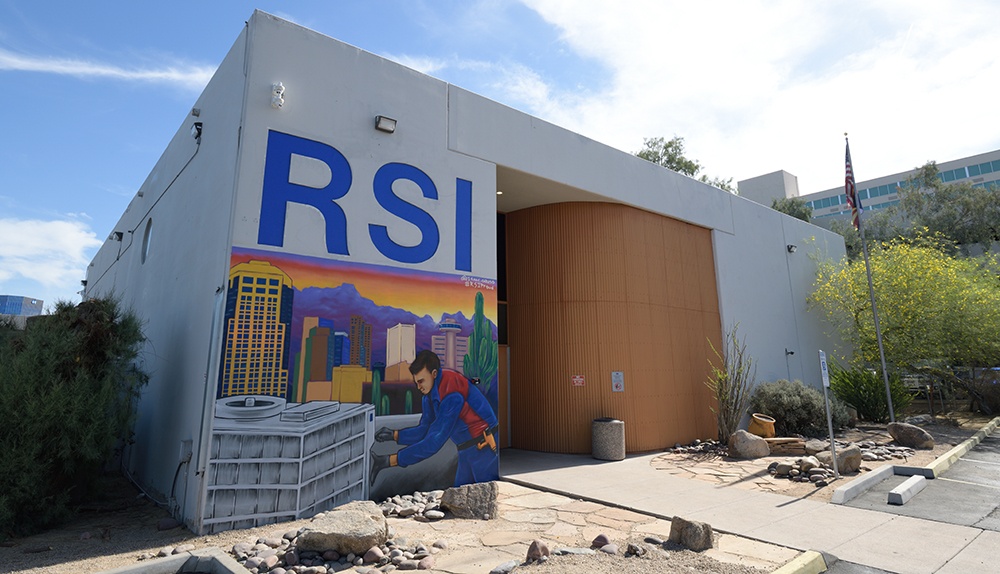
If you’re weighing your trade school options and want to see RSI’s campus, equipment, and programs up close, schedule a tour or request more information to get started.