TWS is a Great Training Option for Everyone
Learn more about how we can prepare you to advance your career.
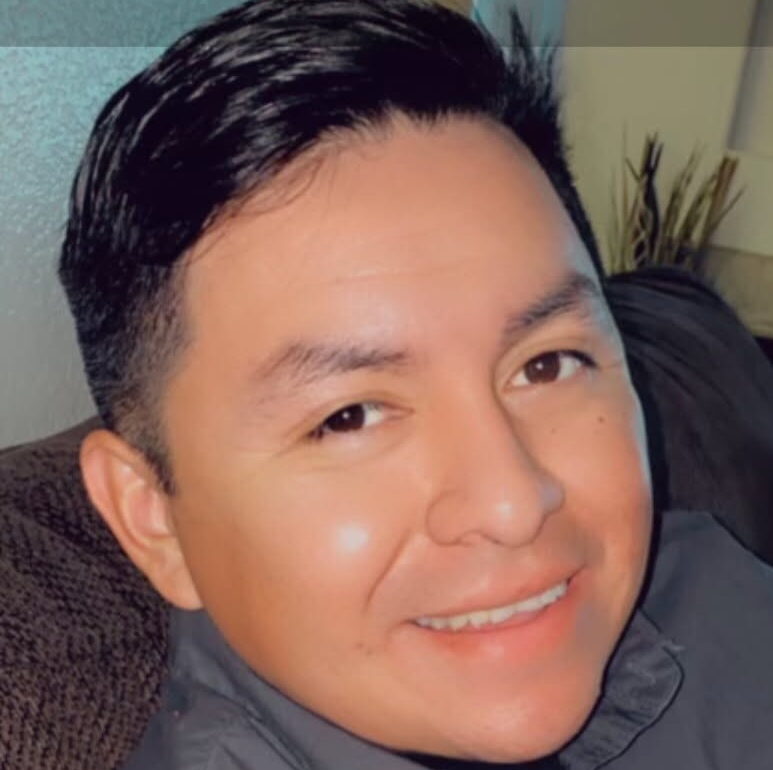
Delbert, 36, was born and raised on the Navajo Reservation in a little town called Fort Defiance, Arizona. Delbert completed the seven-month Refrigeration Technologies (RT) program at RSI in February 2026. 
Thanks for your time, Delbert; tell us about your career before coming to RSI in 2025.
Before going to RSI, I had a lot of odd jobs over the years – a few years here, a few years there – just trying to figure out where I fit in. Shortly after high school, I moved down to Phoenix to attend school for business technology. It was a certificate program, but I didn’t end up finishing it because I started working full time. At the time, I felt like even if I finished the certificate, I’d still make about the same money I was already earning. So there really wasn’t much incentive for me to complete it. After that, I just kind of moved from one job to another whenever I found something that seemed interesting or like it might be a good fit.
What kind of work did you do?
One of my first jobs after leaving school was as a route technician for a water softening company. I did that for about three years. Basically, we did light plumbing work and delivered portable exchange water softeners. We’d go out to homes and install or swap out their softener systems. I mostly handled deliveries and installations. It didn’t require formal plumbing training, just basic plumbing knowledge and some soldering when needed. I also did valet work, and I also worked in construction for a few years.
Get Started on the Path to a New Career
Fill out our form to learn how we can help you change your life.
At what point did you decide to go back to school and pursue a trade?
Trade school had always been at the back of my mind. RSI specifically was something I’d thought about for a long time. My father-in-law would bring it up whenever I was frustrated with work. He’d say, “Why don’t you just go to RSI and get your HVAC training?” I’d always say, “Yeah, maybe,” but I never fully committed.
What changed last year?
What finally pushed me toward it was when I applied for a job back on the reservation. The pay was surprisingly good, so I was excited about the opportunity. I got an interview, but during the interview they started asking me HVAC questions – specifically about troubleshooting a furnace – and I had absolutely no idea how to answer them. It completely caught me off guard. Needless to say, I didn’t get the job but that experience really stuck with me. It made me realize that if I wanted those kinds of opportunities, I needed to actually learn the trade and understand what I was doing. If I went through that same interview again now, I’d be able to confidently answer those questions.
Were you working while attending RSI?
Yes. I was working at Talking Stick Resort as a non-HVAC maintenance technician. That job also played a role in my decision to go back to school. I was doing general maintenance work, and while I occasionally shadowed some HVAC techs, I didn’t really understand the deeper “why” behind what they were doing. I could see the process but not fully understand the systems or troubleshooting side of it. I also wanted to move from general maintenance into a dedicated HVAC position, but that opportunity wasn’t available. Eventually, that led me to move into apartment maintenance work, where I’m at now.
What did you enjoy most about the RSI experience?
The hands-on aspect of it was the biggest thing for me. It also helped being around other students who were completely new to HVAC too. A lot of us were learning from scratch, so there was some comfort in realizing I wasn’t the only one coming into the field without prior knowledge. There was a real sense of camaraderie.
Did the program come naturally to you because of your hands-on background, or was it challenging?
It was honestly a mix of both. My previous work experience definitely helped me understand certain parts of the program, especially the hands-on side. But the theory side of HVAC was a lot more challenging. Once you really start getting into the science and engineering behind how HVAC systems work – the “why” behind everything – that was the hardest part for me. Understanding the deeper mechanics and theory took time. But I like challenges, so even when things got difficult, I never really thought seriously about quitting.
What schedule were you on at RSI?
I did the weekend program. The weekend class was basically two days combined into one long Saturday session. The rest of the coursework during the week was online, which was nice because I could work it around my schedule. The biggest struggle for me was the online coursework. I’d been out of school for around 20 years, so getting back into that mindset of doing bookwork, assignments, and online learning was tough at first. I worked full-time and have five kids, so the flexibility was good for me.
After graduating, how did you transition into your current job?
I graduated in February. Around that time, RSI’s career services department was sending me job opportunities pretty regularly. Most of the openings were in Phoenix, but I was trying to stay closer to the East Valley. At the same time, I had already applied with Mark-Taylor, and they got back to me pretty quickly and offered me a position as an apartment service technician almost immediately. I work at a property in Gilbert.
What does your current maintenance role involve?
We pretty much do everything – HVAC, appliances, plumbing, electrical, drywall, water heaters – all of it. There’s no “one guy does one thing” setup. Everybody handles a little bit of everything. The nice thing is that I’ve already been able to complete quite a few HVAC work orders in the short time I’ve been there. At the same time, I’ve also been learning appliance troubleshooting and other maintenance skills. The electrical training from RSI especially helped me a lot. One of the biggest takeaways from school was learning to have a healthy respect for electricity, and I carry that into everything I work on now.
Did you ever think about continuing into the EMT program for more electrical training?
Yeah, I definitely thought about it. Toward the end of the RT program, I was feeling a little burned out from working full time while going to school full-time. Looking back, I probably would have preferred starting with the nine-month EMT program instead of the seven-month one. Financially, though, the seven-month option made more sense for me at the time because I had a stipend from my tribe helping cover costs. Toward the end, I looked into extending into the EMT program, but I would’ve had to pay for the extra months out of pocket, so I decided not to continue right then. But it’s still something I’d like to consider in the future. I might even look into the Mechanical Maintenance Engineering associate degree program.
Have you already seen financial benefits from going to school and earning your certifications?
Yeah. At Mark-Taylor, they actually offer additional pay increases based on certifications. Because I earned my EPA Universal certification and OSHA certification through RSI, I’ll be getting a pay bump once I hit my 90-day mark. So, the certifications definitely help.
What are your long-term career goals?
My long-term goal is to become a central plant operator. There’s a position with the Salt River Tribe that starts around $90,000 a year, and that’s something I’m working toward eventually. To get there, I’ll need more journeyman-level HVAC experience though. Long term, depending on whether I stay in Phoenix or move back to the reservation, I’d also eventually like to own a facility solutions company on the reservation.
What do you enjoy most about your new trade?
I really enjoy the problem-solving side of it, it’s like working a puzzle. I also like being able to help people. Last year I had family members having problems with their furnaces, and because of what I’d learned at RSI, I was able to help troubleshoot their systems. There was definitely a sense of pride in being able to do that.
Did you build connections while at RSI?
Yeah, absolutely. I still keep in touch with a few classmates. I also have an instructor I call if I run into an issue with an HVAC system. He’s always willing to answer questions and help troubleshoot problems. That network has been really valuable.
What advice would you give to new students starting at RSI?
The biggest piece of advice I’d give is to stay ahead on your online work and don’t procrastinate. Also, take advantage of the open lab days. Those were really helpful because you could come in, focus without distractions and ask instructors questions about things you don’t fully understand, especially troubleshooting. Being able to pick the instructors’ brains one-on-one really helped reinforce what we were learning in class.
If you’re an RSI graduate and would like to share your success story and be an inspiration to others, please email [email protected] to be considered for a Graduate Connection interview. Please include details such as your graduation date (month/year), and program.