Key Takeaways
- Workforce programs for dislocated workers, which include displaced homemakers in Maricopa County, can help pay for approved training.
- A financial aid administrator can adjust your FAFSA information after a job loss or other change in income.
- Recent training and current credentials, such as EPA Section 608 certification, give employers a direct answer about a work gap.
TWS is a Great Training Option for Everyone
Learn more about how we can prepare you to advance your career.
Time out of work is common. Between 2023 and 2025, over 3 million workers were displaced from jobs they had held for at least three years. People take different paths back after a layoff, caregiving, or a health issue. Some return to their old field, some take a new job and learn as they go, and some train for something new.
A gap in your work history doesn’t keep you out of trade school, and training gives you new, job-specific skills to talk about when an employer asks what you’ve been doing.
Can I Go to Trade School after Being Out of Work for a While?
Yes, you can go to trade school after being out of work for a while. Most trade schools list a high school diploma or GED as an enrollment requirement, not work history. At Tulsa Welding School (TWS), formerly The Refrigeration School (RSI), applicants without either can earn an accredited online high school diploma through a nonprofit program before enrolling.
At TWS, enrollment starts with an admissions conversation, and during that call you may be able to complete most of the application. You can also talk through which class schedule you prefer and ask about upcoming start dates. From there, you can speak with financial aid to see whether you qualify and explore other funding options.
Campus and virtual tours are available if you want to see the labs before you start, but they’re an option, not a requirement.
Get Started on the Path to a New Career
Fill out our form to learn how we can help you change your life.
How Do You Pay for Trade School after a Layoff or Caregiving Gap?
Workforce programs for dislocated workers and federal financial aid can both help pay for trade school after a layoff or caregiving gap. Dislocated worker services are for people who lost work through job loss, mass layoffs, or shifts in economic sectors.
Workforce Funding through an American Job Center
Dislocated worker services are designed for local needs, so the details may vary from state to state. In Maricopa County, displaced homemakers count as a dislocated worker category, alongside general layoffs and self-employed workers.
Funded training has to come from an approved provider. In Phoenix, Workforce Innovation and Opportunity Act (WIOA) training dollars go only to providers on the state’s Eligible Training Provider List. TWS’s Refrigeration Technologies, Electro-Mechanical Technologies, Welding Specialist, and Mechanical Maintenance Engineering programs are listed as state-approved for WIOA.
American Job Centers offer job search assistance and re-employment services for people receiving unemployment benefits. One older federal program is closed to newly laid-off workers, though (Trade Adjustment Assistance can’t certify new workers separated after July 1, 2022).
Financial Aid after a Change in Income
Financial aid administrators can adjust FAFSA information for a change in employment status, income, or assets, such as when someone earned income last year but no longer works. Because the FAFSA looks back at earlier income, this adjustment can help it reflect your current situation. An aid administrator’s adjustment decision is final and can’t be appealed to the U.S. Department of Education.
TWS also publishes a list of scholarships students may consider to help cover their tuition costs.
Will Employers Care about a Work Gap If I Just Finished Trade School?
Some employers will ask about a gap, but recent training gives you a direct answer. By January 2026, 66.1% of long-tenured displaced workers, meaning people who lost jobs they had held for at least three years, were working again. Of the rest, 18.3% were unemployed, and 15.7% were out of the labor force.
Credentials help shift the conversation from when you last worked to what you can do now. EPA Section 608 certification is required for technicians who service refrigerant equipment, and 608 credentials don’t expire, so a new certification stays current. TWS HVAC/R training includes preparation for R-410A safety, EPA Section 609, and EPA Section 608 certifications, and the TWS welding program prepares students for the American Welding Society welder certification and similar employer tests.
As you add credentials to a resume, label each one correctly. An OSHA 10 card shows safety training, but an OSHA card is not a certification or license.
How Do You Explain a Work Gap after Trade School?
Keep the explanation short and honest, then connect it to the training you just finished. A question about a gap is also a chance to show that your skills are current, and recent training does that directly. A few habits help the explanation hold up on a resume and in an interview:
- Name the reason in a few words. A layoff, caring for a parent, or recovering from an illness is enough context, and keeping it brief leaves more time to talk about your training.
- Put your trade training and dates near the top of your resume. A career change resume works best when it leads with trade credentials and a short professional summary, so a hiring manager sees your newest experience first.
- List certifications by their exact names, such as EPA Section 608, so an employer can see what you’re qualified to do.
- Connect skills from the gap or past jobs to the trade. Scheduling, customer service, and home repairs all carry into work in someone’s home or business.
- Practice the answer out loud before interviews. TWS career services offer interview preparation and resume help to students, which gives you a place to rehearse.
How Do I Get Back into the Workforce through a Skilled Trade?
Skilled trades programs are career-focused, meaning every course you take and skill you build relates to common tasks and responsibilities expected of an entry-level technician in that field. That focus can get you one step closer to re-entering the workforce:
- Choose the trade that fits the work you want to do. An HVAC/R program prepares you for entry-level HVAC/R roles, and a welding program prepares you for entry-level welding roles.
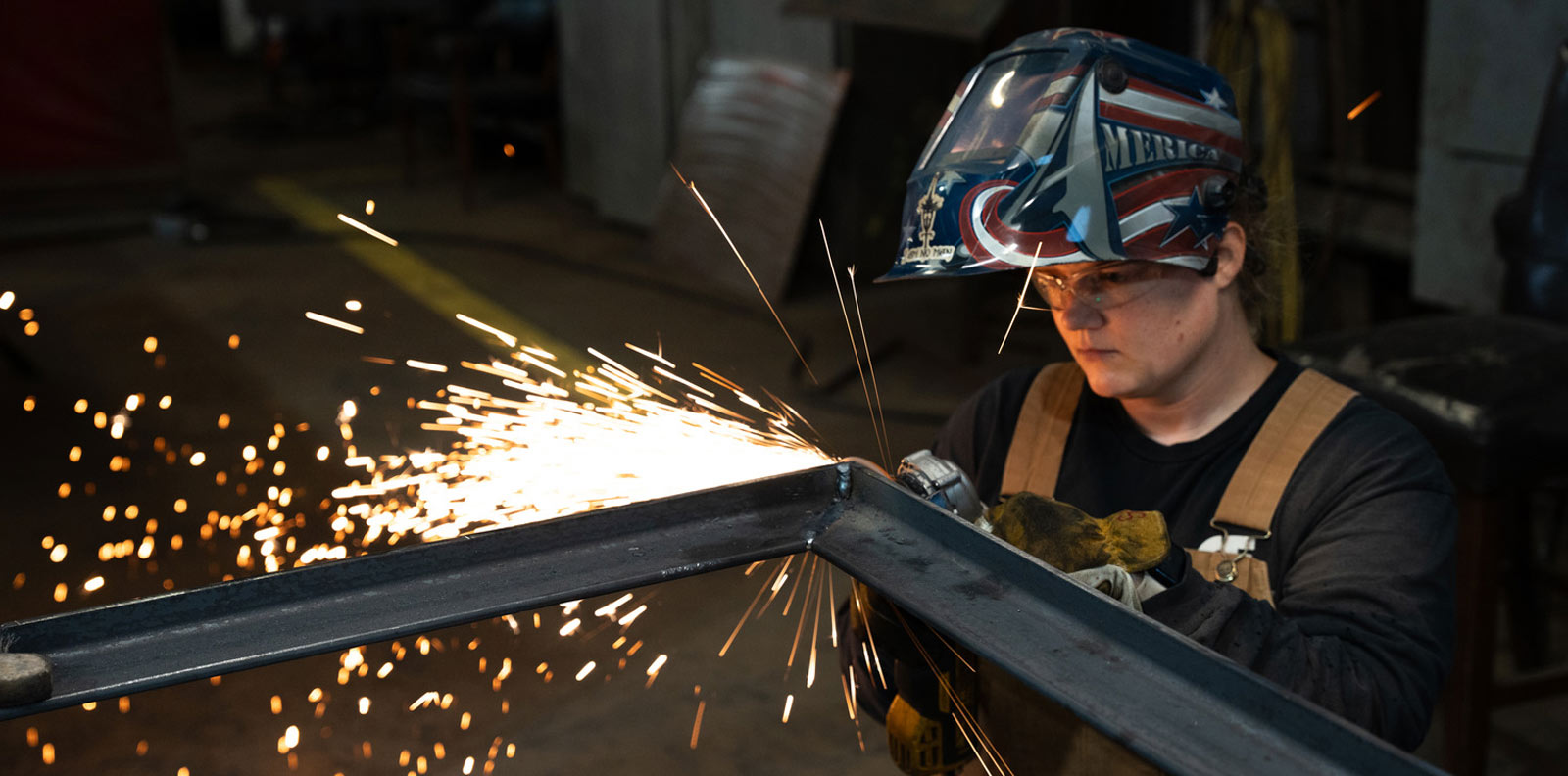
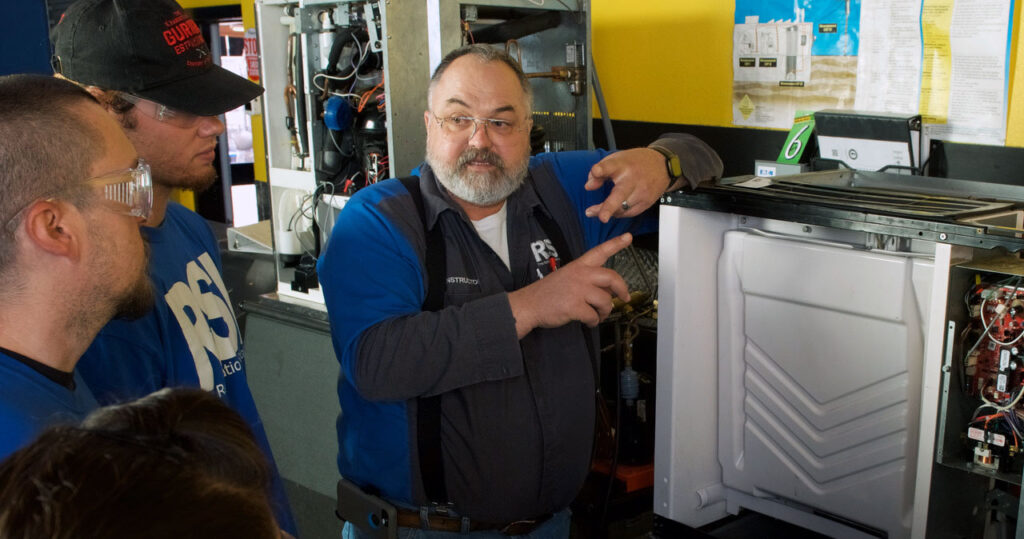
- Build job skills through training. At TWS, HVAC/R students practice refrigerant recovery and charging, brazing, and component replacement; welding students work through structural and pipe welding courses, and electrical students wire a scaled-down three-bedroom home based on the National Electrical Code.
- Earn the credentials the work calls for, such as EPA Section 608 certification for HVAC/R technicians who handle refrigerant.
- Use career services for the job search. TWS career services include resume preparation, cover letter writing, interview preparation, employment searches, and job fairs, free to students.
- Keep using alumni resources after graduation. TWS alumni can use Career Connect to view job listings and get personalized help, and graduates in good standing can return to brush up on skills.
Each step builds on the one before it. By the time you start applying, your resume reflects training built around the job you want, and your gap is one line in a much longer story.
Turn Time Out of Work into a Plan
A work gap doesn’t have to define what comes next. Enrollment, funding, and a clear explanation of the gap can all fit into a plan with real dates. Ready to map out yours? Request more information to talk through programs, schedules, and financial aid with a TWS admissions representative.