Key Takeaways
- TWS admission requirements do not include prior mechanical experience, and students receive their tools when they start.
- HVAC gets harder in specific places, especially electrical theory, and the program teaches those topics first.
- Beginners build mechanical skill through structured lab hours, the same way classmates with tinkering experience refine theirs.
- Learning continues after graduation through supervised work, which the industry builds into how new technicians start.
TWS is a Great Training Option for Everyone
Learn more about how we can prepare you to advance your career.
Enrollment at trade-focused public two-year colleges grew almost 20% since spring 2020. Trade classrooms are filled with newcomers and career changers, not only people who grew up rebuilding engines.
The worry about not being “handy enough” keeps capable people out of the trades. Training programs start at the fundamentals, and the heating, ventilation, and air conditioning (HVAC) program at Tulsa Welding School (TWS), formerly The Refrigeration School (RSI), is built around that starting point.
The program assumes students arrive with no background in electrical circuits, refrigeration, or tools. Each course adds one layer to the last, and lab practice turns that material into skill. Enrollment asks for less than most people expect; the hardest material comes early in the sequence, and beginners close the gap with more experienced classmates through steady, supervised repetition in the lab.
What Starting Trade School Actually Requires
Starting trade school requires less than most people assume. TWS admission requirements cover a high school diploma or GED, age, English proficiency, an entrance interview, and ID. Prior mechanical experience does not appear on the list.
Students without a diploma can earn one before enrolling. Owning tools is not a prerequisite either, since students receive a professional gear package when they start.
Get Started on the Path to a New Career
Fill out our form to learn how we can help you change your life.
The field expects learning to continue after hire. HVAC technicians typically complete a postsecondary nondegree award, then long-term on-the-job training to reach full competency. Employers plan for new graduates to keep learning, and they build that time into the first years on the job.
That expectation changes the question. The goal of training is a solid foundation and safe habits, the base that on-the-job experience builds on, rather than mastery before the first day of class.
The entrance interview works the same way. It covers goals, schedules, and program fit, and it gives prospective students a chance to ask how the first weeks of class run before they commit.
Is HVAC Hard to Learn?
It depends on the topic. Some parts of HVAC come quickly to beginners, and others take steady work. The program sequence puts the harder material early so every later course builds on it.
Electrical theory carries the heaviest lecture load. Fundamentals of Electricity, a course shared by the HVAC and electrical programs, runs 90 lecture hours with 10 lab hours before students move into the comfort systems courses that require it. Students learn schematic wiring, test meters, and electrical safety before they wire a furnace.
Math stays practical. Technicians read meters, size components, and work with pressure and temperature readings rather than abstract equations. The physical side takes adjustment too, because technicians work in cramped spaces, outdoors, and in extreme heat or cold, and stamina builds with time on the job.
Each topic that tends to intimidate beginners has a dedicated course:
| Topic | Why it feels hard at first | Where the program covers it |
|---|---|---|
| Circuits and schematics | New vocabulary and a current you can’t see | HVE100 Fundamentals of Electricity |
| The refrigeration cycle | Pressure and temperature relationships | HVR100 Fundamentals of Refrigeration |
| Gauges, vacuum pumps, recovery equipment | Tools most people have never handled | HVR100 Fundamentals of Refrigeration |
| Brazing and refrigerant piping | Heat control and joint quality | HVR120 Comfort Systems, Commercial |
| Troubleshooting | Combining electrical and mechanical diagnosis | HVR200 Advanced Troubleshooting Techniques |
Troubleshooting sits at the end of the sequence for a reason. Diagnosing a failed system draws on everything before it, from reading a wiring diagram to recognizing a refrigerant problem by its pressures. By the time students reach it, they have handled each piece on its own.
Some parts turn out easier than beginners expect. Following a procedure step by step, keeping a work area organized, and explaining a problem clearly to a customer comes naturally to people from retail, warehouse, and service jobs. Those habits carry straight into HVAC work, even when the equipment is new.
Common Starting Points for Trade School Students
Graduates arrive from every direction. A former warehouse worker became curious about HVAC after watching a technician on the job, and after training he earned his contractor’s license and opened his own business. A single mother leaving an unfulfilling career landed a job offer before she finished her electrical training.
Neither story began with a garage full of tools. Both began with a decision to train, followed by months of steady practice in a lab where mistakes were part of the process.
Schedules shape who can start. Morning, afternoon, and evening classes make trade school possible for parents and working adults, and TWS runs dedicated support for adult students.
Many students also start with no one in their family working in a trade. That includes many women entering the field, who are helping close the labor shortage as they build careers from scratch.
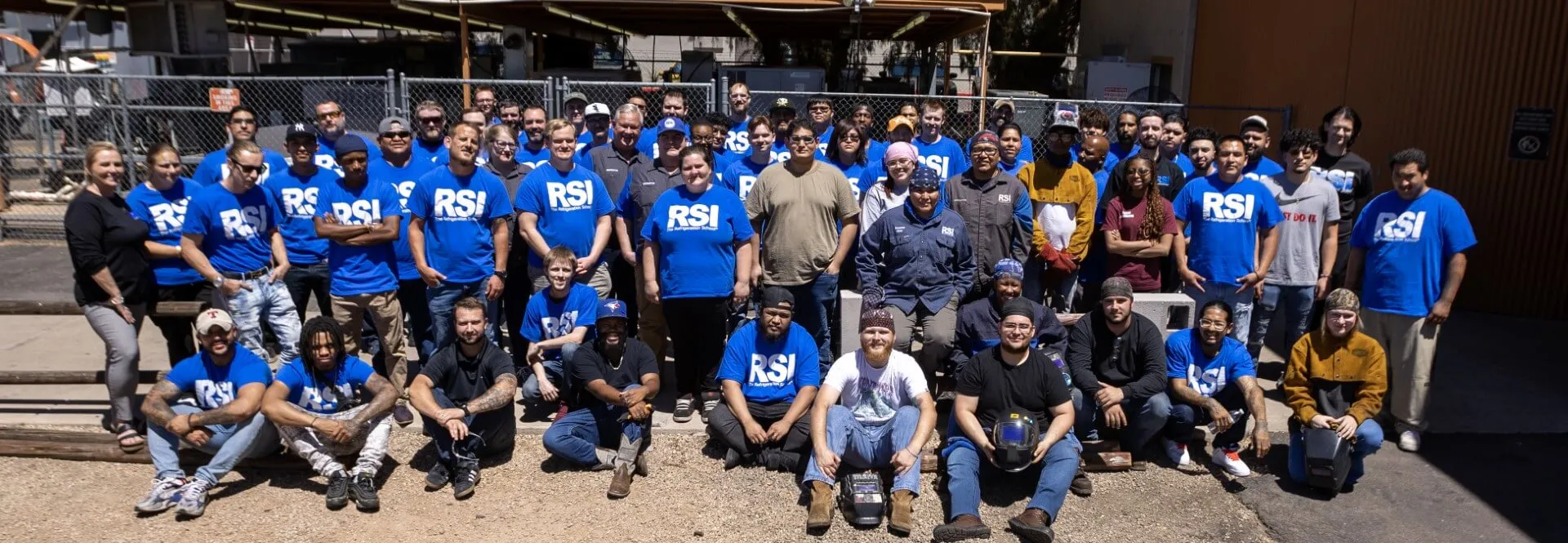
Recent high school graduates, veterans, and people leaving office jobs sit in the same classes. Each group brings different strengths, and none of those strengths is a requirement for enrollment. What they share is a willingness to show up, practice, and ask questions when something doesn’t make sense yet.
How Beginners Build Mechanical Skill in the Lab
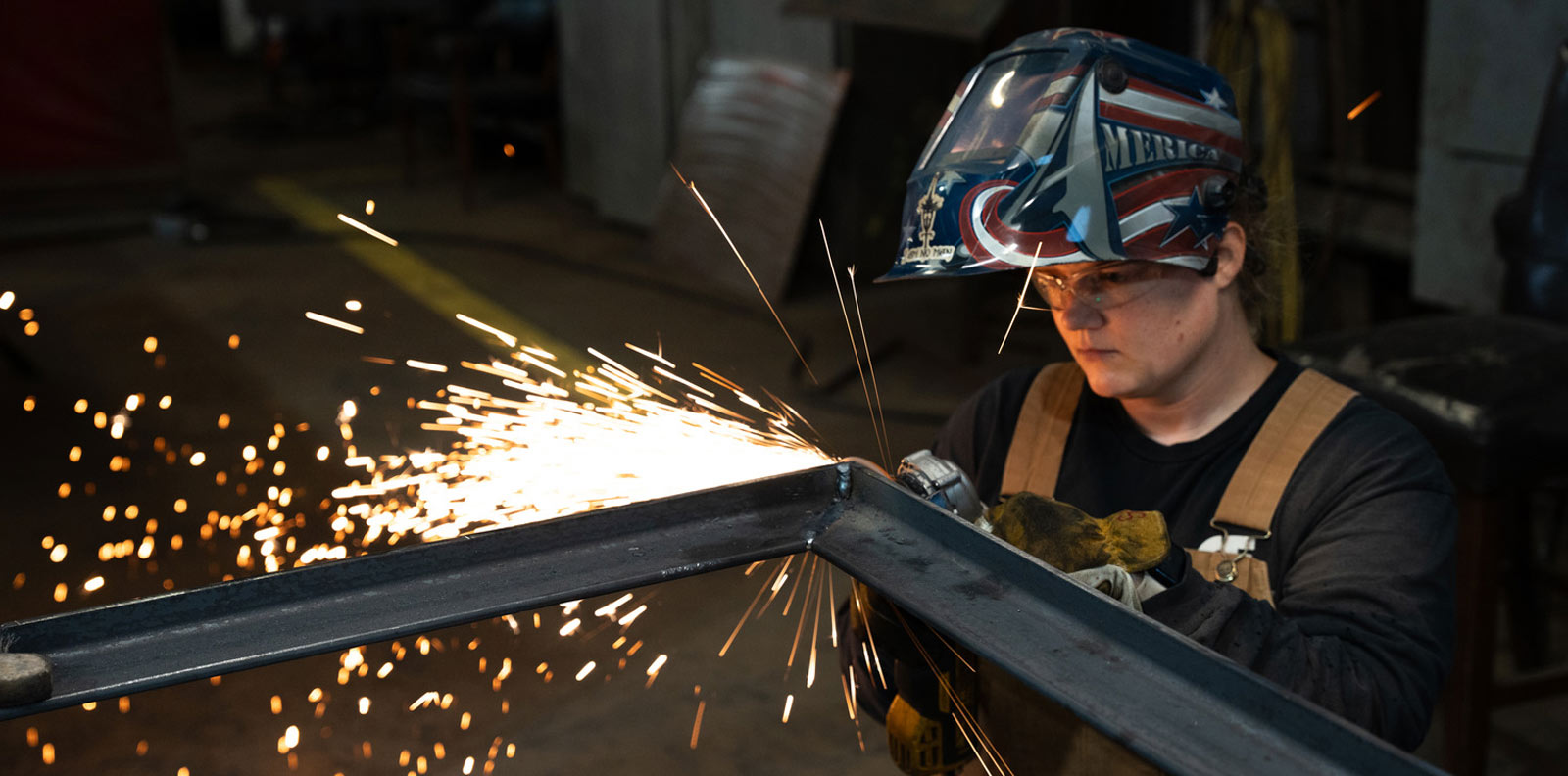
Theory can be completed online, so campus time goes to lab work. Comfort Systems, Residential includes 40 lab hours on split systems, heat pumps, gas furnaces, and gas piping. Repetition on working equipment builds the feel for tools that tinkerers picked up informally.
Prior tinkering helps with tool familiarity, but every student learns the same safety procedures, refrigerant handling rules, and wiring standards from the first week. Some students with home-repair experience have shortcuts to unlearn. Beginners start without them.
Tool skill follows the same pattern. The first time a student attaches a manifold gauge set or pulls a vacuum, the process feels slow and deliberate. After dozens of repetitions across different systems, the same steps become routine, and attention shifts to reading what the gauges say.
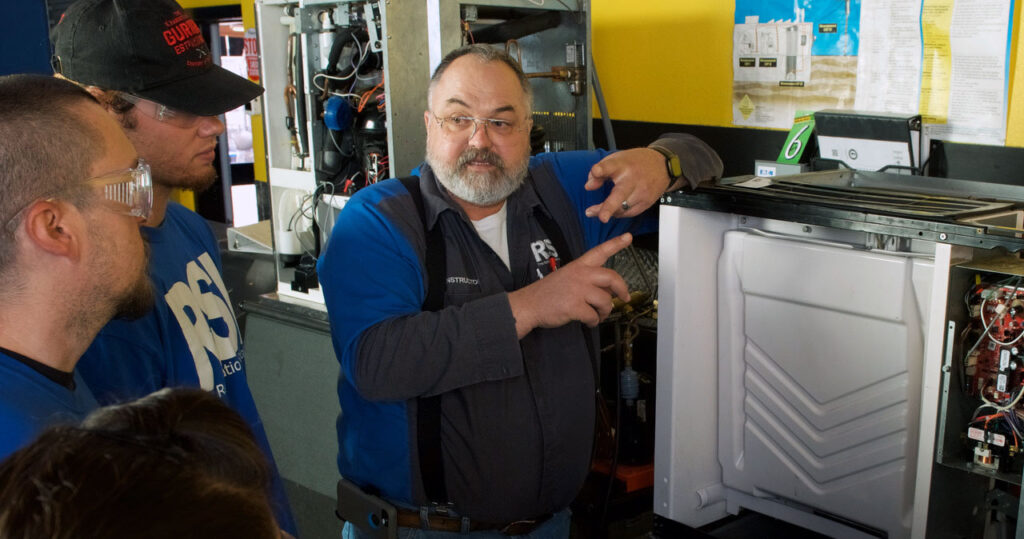
Instructors watch students work, correct technique in the moment, and have them repeat the task until it holds. That cycle of practice and feedback is how confidence forms, whether a student arrived as a weekend mechanic or had never held a multimeter.
Supervised learning continues after graduation. Environmental Protection Agency (EPA) rules let apprentices work on refrigerant circuits under close supervision of a certified technician, and Section 608 credentials never expire once earned. New technicians keep building skill beside experienced ones, the same way the trade has always trained its people.
Mechanical skill is taught, practiced, and tested during training, so students don’t need it before they enroll. Ask TWS admissions your questions about how beginners progress, class schedules, and start dates.