Key Takeaways
- About 88% of the 40,600 HVAC openings projected each year replace workers who leave the field. Only about 12% come from new positions.
- Electricians follow the same pattern, with roughly 90% of 72,700 annual openings created by departures and about one in five electricians already over 55.
- Retirement openings go to trained newcomers because trade careers develop on the job, through paid training hours and wages that rise with skill.
- HVAC and electrical training programs run about seven months, short enough to finish while these openings keep appearing.
TWS is a Great Training Option for Everyone
Learn more about how we can prepare you to advance your career.
The skilled labor shortage usually gets described as a future problem, one that depends on how much the country builds next year. The more immediate driver is quieter. Experienced heating, ventilation, and air conditioning (HVAC) technicians and electricians retire every year, and each departure leaves a job someone has to fill.
Those openings don’t wait for new construction to break ground. They exist because a veteran tech has stepped away for good, and they recur on a predictable schedule year after year.
What Is Driving the Skilled Labor Shortage?
Retirement now shapes construction hiring more than growth does. The industry needs 349,000 new workers in 2026, a gap attributed mainly to retiring industry veterans, and the projection climbs to 456,000 in 2027 as spending growth resumes. The 2026 figure sits below the 439,000 projected for 2025 because spending forecasts are modest, which leaves retirements carrying a larger share of the demand.
The skilled labor shortage draws on two sources of demand that behave very differently:
- Growth-driven openings rise and fall with interest rates, construction spending, and project pipelines. They can shrink quickly when projects stall.
- Retirement-driven openings keep arriving whether or not a single new building breaks ground. Every veteran who leaves creates a position someone has to fill.
Why Retirements Hit Harder Than Headcounts Suggest
Three forces make each retirement harder to absorb than a simple headcount shows:
Get Started on the Path to a New Career
Fill out our form to learn how we can help you change your life.
- Early exits. Nearly one-fifth of construction workers are 55 or older, the median worker is 42, and many retire in their late 50s because of the physical demands of the work.
- A long training runway. Apprenticeships take four to five years, so someone who starts training now reaches full productivity around 2029 or 2030, close to when retirements are expected to peak.
- Lost mentoring. Safety habits, hazard recognition, and troubleshooting judgment pass from senior workers to new ones informally. That handoff works only while experienced technicians are still on the job.
Together, those forces make the years before a retirement wave the best time to hire and train newcomers. Data center construction raises the stakes, since those facilities depend on electricians to wire them and HVAC technicians to cool them. The projects also cluster in specific metro areas, which can make local shortages sharper than national averages show.
How Big Is the HVAC Technician Shortage?
The HVAC technician shortage looks different once projected openings are split by cause. HVAC technicians held 440,900 jobs in 2025 and earned a median wage of $61,010, and employment is projected to grow 11% through 2035 with 40,600 openings each year on average. Many of those openings come from replacing workers who retire, while commercial construction, including data centers, drives most of the growth.
Growth explains only a small slice of the total. The decade’s 48,200 new jobs work out to about 4,820 per year, which leaves roughly 35,780 annual openings created by technicians who retire, exit the labor force, or move into other occupations.
Replacement openings outnumber growth openings by more than seven to one:
| Source of Openings | Openings per Year | Share of Total |
|---|---|---|
| Employment growth | About 4,820 | About 12% |
| Replacing workers who leave | About 35,780 | About 88% |
| Total projected openings | 40,600 | 100% |
That split changes what the shortage means for someone entering the field. Growth projections can shift with the economy, but a retiring technician’s service route still needs coverage next week. Replacement openings are the steadier half of the forecast, and they make up nearly all of it.
Electricians Face a Similar Retirement Gap
Electrical work follows the same math. Electricians held 821,000 jobs in 2025 and earned a median wage of $63,190, and projections show 9% growth through 2035 with 72,700 openings per year. Grid upgrades and rising electricity demand from data centers account for much of that growth.
Electrician openings split along the same lines as HVAC openings:
- Growth covers about 7,590 openings each year, based on 75,900 new jobs across the decade.
- Replacement accounts for the remaining 65,110, roughly 90%, created by electricians who leave the occupation.
That replacement share runs slightly higher than in HVAC, across a workforce nearly twice as large.
The retirement side of that equation is already visible. About one in five electricians is over 55, which puts a large share of the workforce within about a decade of typical retirement age. Each senior electrician who retires also frees a lead position on a crew, creating room for journeymen to move up and for newcomers to fill the entry-level spots behind them.
Replacement Openings Favor New Grads
Hiring a veteran away from a competitor only moves a vacancy from one shop to another. Filling it for good requires new people, trained well enough to start and then developed on the job. Trade careers already work that way, which is why retirement openings become entry points.
HVAC Starts With Certification
A new HVAC technician needs one federal credential before working with refrigerants. Technicians earn Section 608 certification from the Environmental Protection Agency (EPA) by passing an EPA-approved test, and the credential does not expire. Arriving with that certification lets a new hire start contributing on service calls while senior technicians are still around to mentor.
Electrical Starts With Logged Hours
Electrical careers build credentials over time. Some states require around 8,000 hours of on-the-job training before the journeyman exam, and trade school graduates log those hours while employed, though requirements vary and Oklahoma gives some credit for formal coursework. Each retirement that opens a spot on a crew also opens a place to accumulate hours.
Registered apprenticeships add structure and pay to that on-the-job stretch:
- About half of registered apprentices work in construction, and electricians rank among the most common apprenticeship occupations.
- Programs combine on-the-job training with wage increases as skills grow.
- Participants earn industry-recognized credentials without taking on student loan debt for that portion of their training.
Training Takes Months, Not Years
Retirement openings appear every year, so training length decides how soon a new tech can compete for one. Tulsa Welding School (TWS), formerly The Refrigeration School (RSI), offers several ways to get there in under a year:
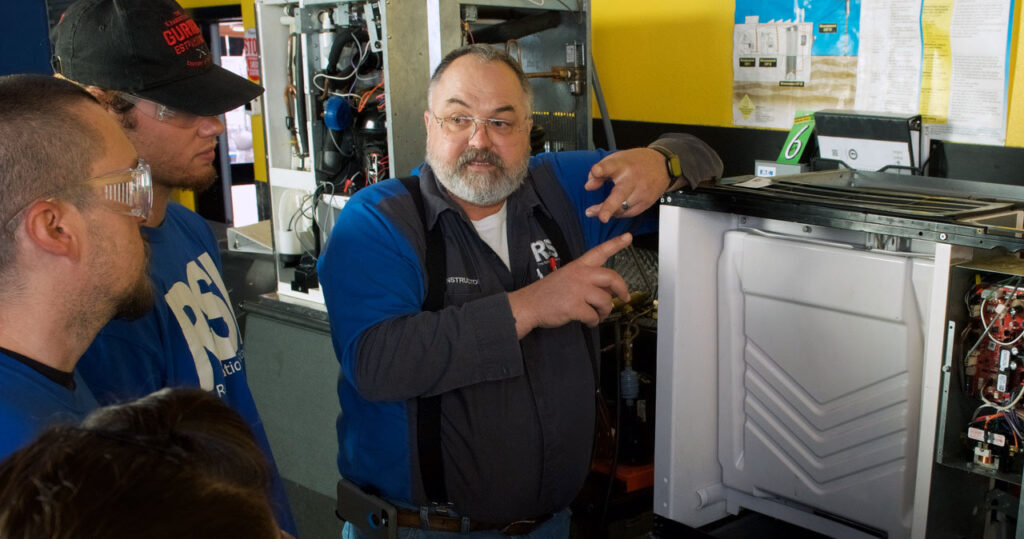
- HVAC/R training: The Refrigeration Technologies program can be completed in as little as seven months and covers heating, air conditioning, refrigeration, and electrical systems. Hands-on work makes up most of the class time.
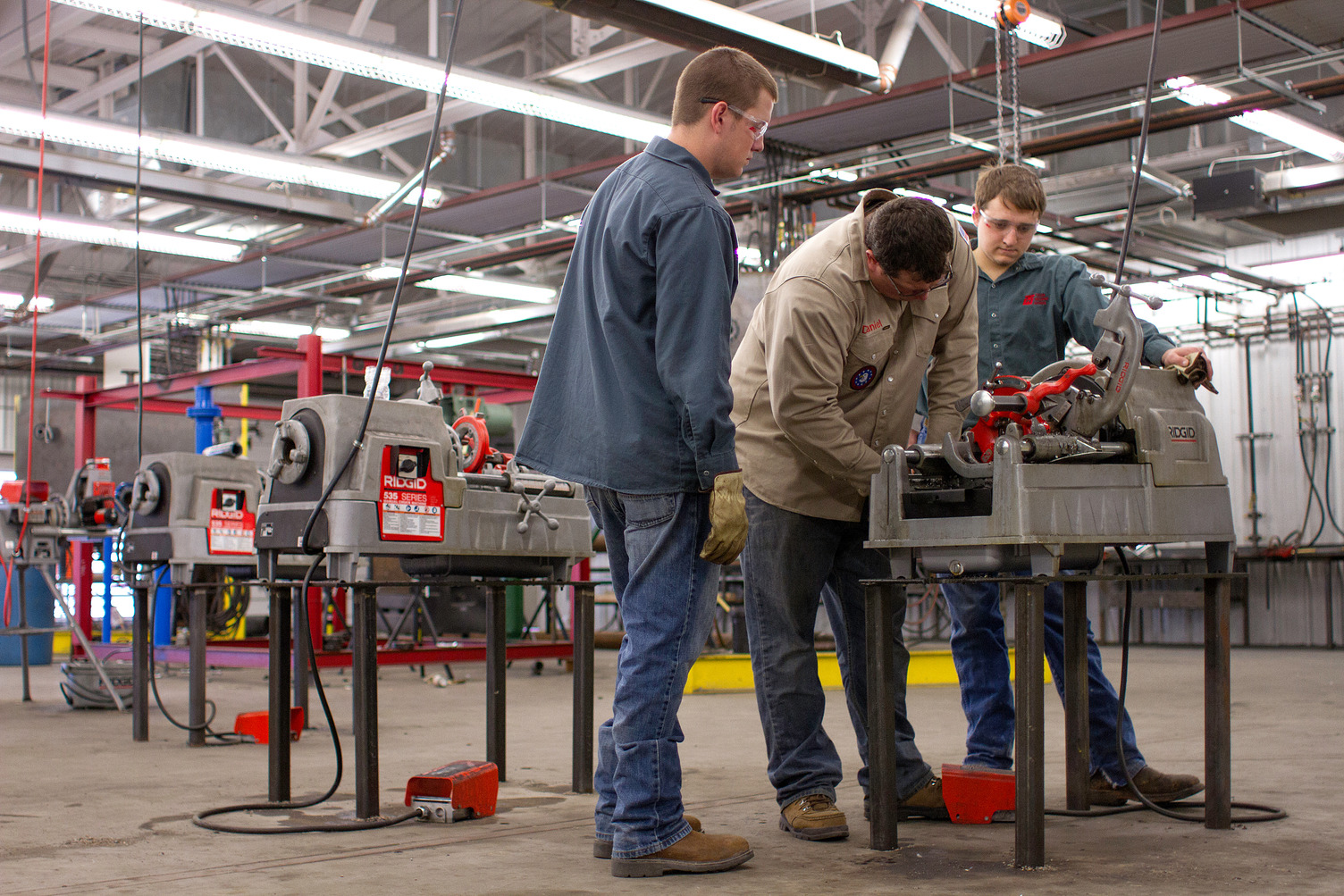
- Electrical training: TWS electrical training programs cover residential, commercial, and industrial systems. The Electrical Technologies program totals 700 training hours across seven months and prepares graduates for entry-level jobs or paid apprenticeships.
- Flexible scheduling: Electrical Technologies classes run mornings, evenings, and weekends, so training can fit alongside a current job and paycheck.
To find out which program and start date fit your schedule, request information from TWS, and the admissions team can help match a program, class times, and financial aid options to your goals.