RSI is a Great Training Option for Everyone
Learn more about how we can prepare you to advance your career.
Arizona is one of the sunniest states in the country, and that sunshine has become a major economic advantage. Consistent sunlight allows solar systems to produce energy efficiently throughout the year, making Arizona an attractive location for long-term solar investment.
That natural advantage has helped fuel a fast-growing solar energy industry that continues to expand across residential, commercial, and utility-scale projects. Solar power is no longer a niche energy source in the state; it has become an integral part of how electricity is generated and delivered.
As Arizona’s energy systems grow more complex, electrical professionals are needed to help make sure solar power is installed correctly, integrated safely, and maintained reliably. This growing reliance on solar infrastructure is creating sustained opportunities for electricians across the state.
Arizona’s Solar Boom: What’s Driving the Demand?
Arizona consistently ranks among the top states for solar energy production. With abundant sunshine, steady population growth, and increasing demand for clean energy, solar installations have expanded year after year.
Utility companies are investing heavily in solar to meet rising electricity demand, especially during peak summer months when air conditioning use is highest. Solar power helps stabilize the grid during these periods, making it a central component of long-term energy planning. At the same time, residential and commercial customers continue adopting solar to reduce energy costs and increase energy independence.
Get Started on the Path to a New Career
Fill out our form to learn how we can help you change your life.
This growth spans multiple sectors, including residential rooftop systems, commercial and industrial installations, and large-scale utility solar farms. Long-term installation data in Arizona shows steady increases in installed capacity, indicating that solar expansion is planned years in advance rather than driven by short-term trends.
Each new system adds to the state’s existing solar infrastructure, creating ongoing demand for electricians who can support installation, inspection, and long-term electrical performance.
What Does a Solar Electrician Do?
A solar electrician, sometimes called an electrician with solar expertise or a solar photovoltaic electrician, are electricians who specialize in installing, maintaining, and repairing PV-related equipment, appliances, and fixtures that keep solar systems running.
Solar electricians are involved throughout the lifecycle of a project. Early in the process, they help prepare electrical systems to support solar integration. During installation, they complete wiring, grounding, and system connections. After installation, they play a key role in inspections, grid interconnection, and long-term maintenance.
Their work focuses on the electrical backbone of solar systems, including wiring panels to inverters, connecting systems to electrical service panels, and ensuring compliance with National Electrical Code requirements. Solar electricians often coordinate with inspectors, utility representatives, and project managers to ensure systems meet safety and performance standards.
In Arizona’s extreme heat, attention to electrical load, system protection, and material durability is essential. Proper electrical work directly affects system lifespan, efficiency, and safety.
Why Electricians are Needed in the Solar Industry
While solar panels generate electricity, electricians ensure that power can be used safely and effectively. Solar systems interact directly with buildings and the utility grid, which makes electrical precision critical.
Electricians are responsible for ensuring systems pass inspections, meet permitting requirements, and comply with local and national codes. Errors in electrical work can lead to reduced system output, equipment damage, or safety hazards that put people and property at risk.
Often, only trained and licensed electricians are permitted to complete final grid connections. As Arizona continues expanding its solar infrastructure, electricians remain a required part of every compliant solar project, from residential rooftops to utility-scale facilities.
Arizona Electrical Careers: More Than Just Solar
One of the biggest advantages of training as an electrician is versatility. Electrical skills apply across a wide range of industries, allowing electricians to move between roles as technology and market needs evolve.
In Arizona, electricians work in residential and commercial construction, industrial facilities, HVAC and refrigeration systems, and energy management technologies. Solar experience strengthens this versatility by adding exposure to modern power systems and renewable energy integration.
Rather than limiting career options, solar work often expands them. Electricians may specialize further, move into supervisory roles, or transition into emerging areas such as energy storage and grid modernization. This flexibility supports long-term employability within Arizona’s electrical workforce.
Job Stability and Long-Term Growth
Electrical work tied to energy infrastructure tends to remain stable even during economic shifts. Solar power systems are long-term assets designed to operate for decades, which creates demand that continues long after installation is complete.
Once a system is installed, it requires ongoing oversight. Performance monitoring, inspections, code updates, and component replacement all rely on skilled electrical professionals. This extended lifecycle supports consistent employment for electricians, even when new construction slows.
Utilities must also maintain grid reliability while integrating increasing levels of solar power. That responsibility does not pause during economic downturns. Homes, businesses, and public facilities still depend on safe, reliable electricity.
As technologies like battery storage, energy management systems, and electric vehicle charging continue to expand, electricians with solar experience are well positioned to adapt without needing to leave the field.
Training for Arizona’s Solar Future
As Arizona’s solar industry continues to expand, employers increasingly look for candidates with formal electrical training. Today’s electrical work follows established safety standards, national and local codes, and system requirements that call for structured education; not just informal, on-the-job exposure.
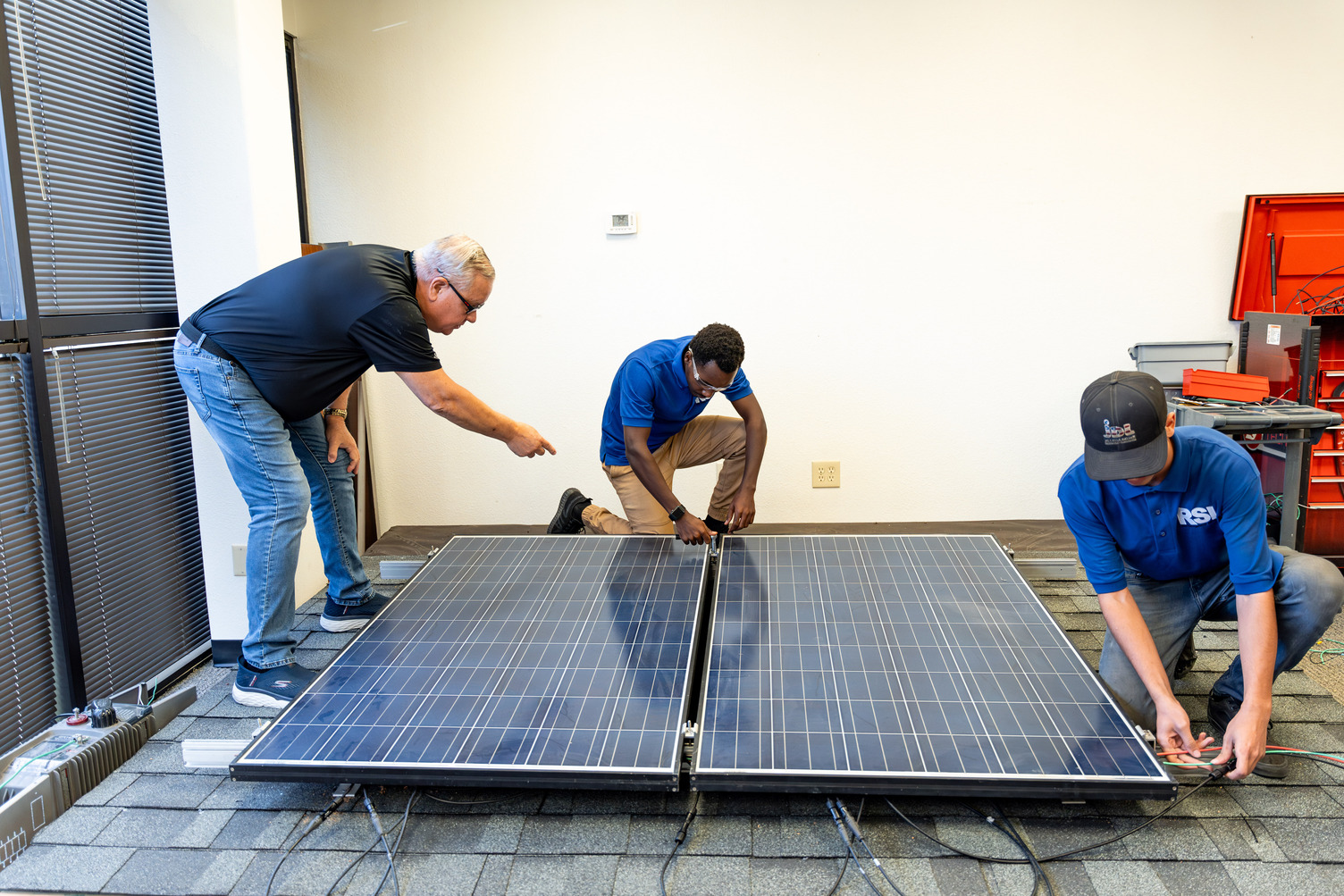
At The Refrigeration School, Inc. (RSI) in Phoenix, electrical training is designed to build a strong technical foundation. RSI’s electrical-focused programs introduce students to core electrical theory, circuitry, safety practices, and hands-on troubleshooting skills that apply to a wide range of electrical work, including solar-related applications.
Through lab-based instruction, students work with real tools and equipment in controlled environments that reflect jobsite conditions. This approach helps students understand how electrical systems function as a whole while reinforcing proper procedures and safe work habits.
In a growing solar market like Arizona’s, this type of preparation can help individuals pursue entry-level electrical roles with greater confidence and build skills that support long-term career development.
Power Your Future in a Growing Industry
Arizona’s continued investment in solar energy is driving demand for trained electrical professionals who can support installation, maintenance, and evolving energy systems. Electrical training provides the technical base needed to work in this expanding sector and adapt as technology changes.
Those interested in learning more about electrical training at The Refrigeration School, Inc. can explore RSI’s Electrical Technologies program or reach out today to discuss your next steps with admissions.