RSI is a Great Training Option for Everyone
Learn more about how we can prepare you to advance your career.
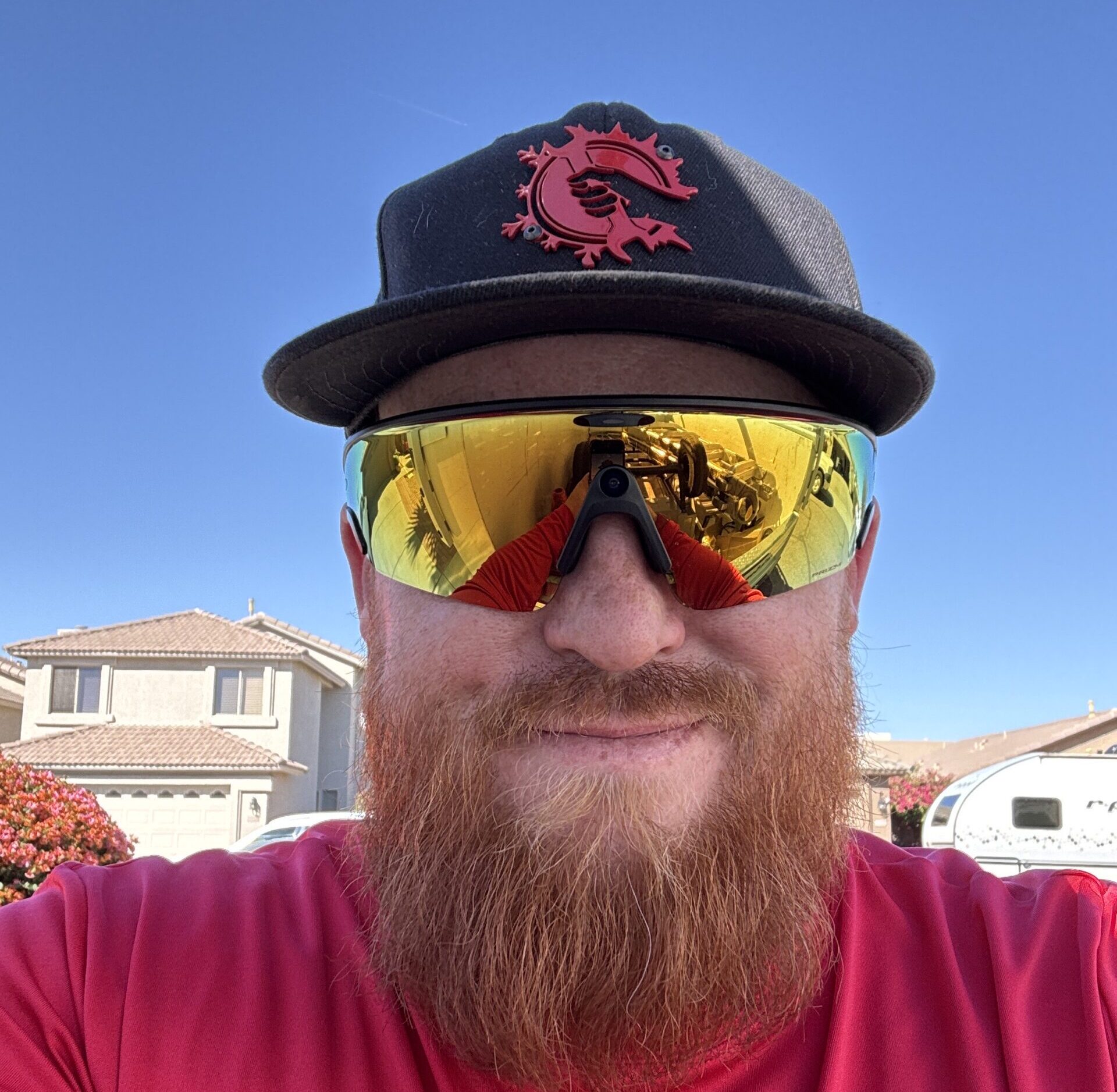
Austin, 31, from Phoenix, Arizona, completed the ten-month Electro-Mechanical Technologies (EMT) program at RSI back in 2015. After gaining experience for several years across the industry, Austin did what many RSI grads aspire to do – he started his own HVAC business.
Thanks for your time, Austin. What did you do before coming to RSI?
Originally, I went to school for a bachelor’s in business administration with a minor in finance. I’ve always liked numbers. It was all online, and at the same time I was working at the post office.
Where did the idea of going to a trade school come from?
One night, I was driving my girlfriend’s mom – now my mother-in-law – to work and saw a billboard for RSI. We started talking about air conditioning – about how expensive units and repairs can be – and it got me thinking. My backup plan had always been to become a mechanic because I like working with my hands. But I started looking more into HVAC and liked that it’s an all-around trade – plumbing, electrical, and air conditioning all in one. Around that time, I was also getting frustrated with my online classes because I couldn’t reliably access materials. I’d been in the degree program online for about six months, at most, but I decided to stop and pursue something more hands-on. That’s when I started talking to RSI.
Get Started on the Path to a New Career
Fill out our form to learn how we can help you change your life.
When you looked into RSI, did you consider other programs or focus straight on EMT?
I considered the shorter seven-month Refrigeration Technologies program, but I liked the idea of learning the electrical elements in the EMT program – commercial and residential wiring – because I was also diving into the idea of being a handyman. When I toured the school, I also saw the EMT program had a Solar component, so I figured it would really gave me an all-encompassing pathway to where I wanted to be. I just figured why not go all the way and do something well-rounded.
I thought about going for the 15-month associate’s degree program for Mechanical Maintenance Engineering, but at that point I just wanted to start working and making money. So, I chose the middle-ground program.
Did you have any prior experience before starting the program?
A little. My dad is an X-ray technician and had some electrical knowledge that he passed on. I also had an uncle who did HVAC work, and I’d tag along sometimes in the summer. But once I got to school, I realized some of what I had seen and learned wasn’t necessarily the right way to do things. That actually reinforced my decision to get properly trained.
How did you find the program overall? Was it challenging?
Honestly, it wasn’t as hard as I expected. There were definitely moments when I struggled, but I had a strong class and we helped each other out. If I couldn’t figure something out, I’d ask classmates or instructors. Overall, I didn’t feel like I was struggling.
Were you still working while attending school?
Yes, I worked at the post office during the day and went to school at night. It took longer at the time – about 14 months – but it worked out because I could still pay my bills. [Update: Today, students attending evening classes can still complete the program in ten months]
What happened after graduation? Did you find a job quickly?
Yes. RSI hosted a career event, and I connected with a few companies. I ended up joining Climate Pro in Gilbert. I took a pay cut from the post office, but I knew that was part of the process as that was my first HVAC job. When I started in 2015, I made about $10.50 an hour – less than I made at the post office. But over time, with experience and education, I increased my pay significantly. Within four years, I’d doubled that.
How did your career progress from there?
I stayed with Climate Pro for about a year, completed their apprenticeship, and then moved into apartment maintenance for about six months. After that, I worked at Reddy Ice, doing low-temperature refrigeration. That was a great experience, I really enjoyed it – I worked on ammonia systems, chillers, ice augers, and some really large pieces of equipment. It really tapped into the mechanical side of me; it was the best of both worlds. I’ve also spent some time working with most of the big names in the area – Parker & Sons, Goettl, George Brazil.
At what point did you decide to start your own business?
I started Aragon Mechanical about five years ago in early 2021. I’d worked for several companies – large and small – and got tired of not having control over my schedule. I also saw a lot of price gouging in the industry. Too many companies focus on quick money instead of long-term customer relationships. I wanted to do things differently – take care of customers, help them extend the life of their systems, and let them make informed decisions instead of pushing sales.
What are your future plans for the business?
Initially, I wanted to grow it into something big, like a major company with multiple trucks. That’s still a long-term idea, but right now I’m actually in talks to sell the business to an investor. If that goes through, I plan to take a break, focus on my health and family, and then eventually start another business – likely in insulation in the short term. Maybe down the road, I’ll open another HVAC business, but I have a non-compete agreement for at least a couple of years if/when this sale goes through.
What led you to consider selling?
A few things – the timing is right, the offer is solid, and physically, I need a break. Last year I fell out of an attic and dislocated my shoulder, which required surgery. I’m still recovering from that. I want to take some time to reset, then come back strong.
Do you have a team working with you now?
I use subcontractors for installs – guys I’ve worked with before. For service and maintenance, I handle that myself. I’ve stayed small intentionally, but finding reliable help is one of the biggest challenges in this field.
What do you enjoy most about your work and this trade?
The satisfaction of fixing a unit and seeing the customer’s relief. Especially here in Arizona – when someone’s A/C goes out, it’s serious. Being able to tell them it’s working again and seeing that weight lifted off their shoulders is the best part.
Did you build any lasting connections during school?
Yes. I still stay in touch with a couple of instructors and some classmates. One of my instructors – Chris – even sends me referrals, and I take care of those customers like family. Those relationships definitely matter.
What advice would you give to new students starting at RSI?
Keep your mind open to learning new things and don’t be afraid to ask questions. That’s huge. Whether it’s school, work, or in life -asking questions is how you learn and grow. Also, stay focused and keep your head on straight. It might feel tough in the moment, but it pays off in the long run. Remember, you’re not going to come out making top dollar right away – you have to build experience and earn the right to get paid top dollar – but if you stick with it, it’s worth it.
Going to RSI helped me a lot – not just for the EPA certification, or the piece of paper saying I’d graduated, but for the knowledge it gives you. Anyone can pass a test, but truly understanding the trade is what sets you apart from others who didn’t go to school. Having that depth of knowledge, building on the education foundation the school gives you, can lead to long-term success in this field…basically for as long as you want it!
If you’re an RSI graduate and would like to share your success and be an inspiration to others, please email [email protected] to be considered for a Graduate Connection interview. Please include details such as your graduation date (month/year) and program.